Why is my dog scratching and biting himself
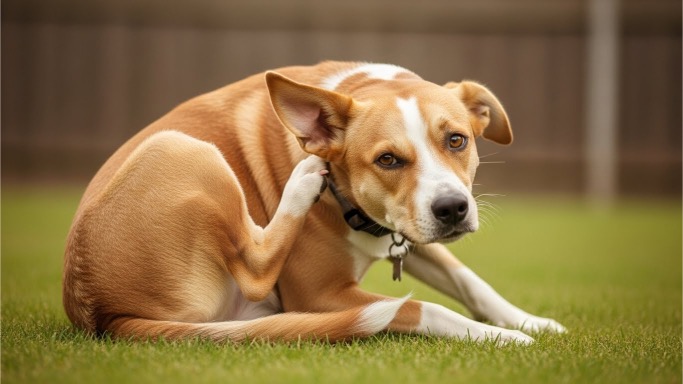
If your dog has been scratching, biting, licking, or chewing his skin nonstop, you’re not alone. Almost every dog parent has experienced this moment — your pup goes from happily napping to aggressively nibbling at his paw, dragging his nails across his neck, or kicking his back leg like he’s starting a motorcycle.
And as a loving pet parent, it’s stressful.
You want to help.
You want to know what’s wrong.
And you want your dog to feel comfortable again.
In this guide, we’ll walk through the most common reasons dogs scratch and bite themselves, what each issue really looks like, and — most importantly — the safest, most effective solutions to finally bring your dog relief.
I’ll also show you when home care is enough, when you may want to consult a vet, and gentle prevention tips to help your dog stay itch-free year-round.
Let’s dive in — your dog deserves comfort, and you deserve peace of mind.
What’s Normal Dog Scratching vs. Something’s Wrong?
All dogs scratch. Just like humans adjust their shirts or brush hair away from their faces, dogs will occasionally:
- Shake out their coat
- Scratch behind an ear
- Gently lick their paws
But when scratching becomes frequent, intense, or obsessive, something more serious may be going on.
You’ll want to look out for:
- Constant biting, chewing, or gnawing
- Red, irritated, or inflamed skin
- Bald spots or thinning fur
- Scabs, sores, or hot spots
- Excessive licking (especially paws)
- Flea “dirt” or live fleas
- Bad skin odor
- Oily or flaky patches
- A sudden increase in scratching after food changes, bathing, or outdoor exposure
If your dog is showing any of these signs, you’re in the right place. Let’s break down the major reasons behind scratching and how to fix each one step-by-step.
1. Fleas — The Most Common Culprit Behind Scratching

Even if you don’t see fleas, they may still be there. Fleas are tiny, fast, and excellent at hiding in the base of your dog’s coat.
Signs Your Dog Has Fleas
- Tiny black flecks (“flea dirt”) near the skin
- Your dog biting near the base of his tail
- Red bumps or scabs on the skin
- Sudden scratching after going outside
- Jumping behavior when biting — fleas move fast
Why Fleas Cause Extreme Itching
Flea bites release saliva into the skin, and many dogs are allergic to it.
This is called Flea Allergy Dermatitis (FAD) — one flea bite can trigger days of intense itching.
The Best Solutions
. Step 1: Use a fast-acting flea treatment
A vet-approved medication like Capstar, Bravecto, or Simparica kills fleas quickly and safely.
. Step 2: Treat your home
Wash bedding, vacuum carpets, and consider a pet-safe home spray.
. Step 3: Protect your yard
Use natural sprays or diatomaceous earth in outdoor areas.
. Step 4: Keep your dog on a monthly preventative
Consistent prevention keeps the problem from returning.
Dogs with severe flea allergies may need additional management. VCA Hospital explains this well.
2. Allergies — Food, Pollen, Dust, or Contact Irritation
Allergies are the second most common reason dogs scratch and chew their skin.
And here’s the tricky part:
Dogs show allergies on their skin, not through sneezing like humans.
The Three Types of Dog Allergies
- Food Allergies
Proteins like chicken, beef, dairy, and eggs are the most common triggers. - Environmental Allergies (Atopy)
Grass, pollen, mold, dust mites — seasonal or year-round. - Contact Allergies
Soaps, shampoos, cleaners, certain fabrics, or lawn chemicals.
Clues Your Dog Has Allergies
- Paw licking (the #1 allergy symptom)
- Red, inflamed skin
- Ear infections
- Chewing at paws or legs
- Itchy belly or armpits
- Sneezing or watery eyes (rare but possible)
The Best Solutions
– Step 1: Switch to a hypoallergenic diet if food allergies are suspected
It must be:
- Single-protein
- Grain-free or limited-ingredient
- Fed strictly for 6–8 weeks
Good options include salmon, duck, or lamb formulas.
– Step 2: Bathe your dog with an oatmeal or medicated shampoo
Use a product for sensitive skin.
Avoid human shampoos — they alter your dog’s pH.
– Step 3: Use an omega-3 supplement
Fish oil supports the skin barrier and reduces inflammation.
– Step 4: For environmental allergies, wipe paws after every walk
Grass and pollen stick to paws and cause itching.
– Step 5: If symptoms persist, ask your vet about allergy medications
Options include:
- Apoquel
- Cytopoint
- Antihistamines like Benadryl (only under vet guidance)
Mayo Clinic explains pet allergies in detail.
3. Dry Skin — Weather, Bathing Habits, or Poor Diet
Dry, flaky skin (sometimes called “dog dandruff”) makes dogs scratch and bite to soothe the irritation.
Common Causes of Dry Skin
- Cold weather
- Low humidity
- Overbathing
- Harsh shampoos
- Lack of Omega-3 fatty acids
- Underlying health issues
Signs of Dry Skin
- White flakes along the coat
- Rough or scaly patches
- Mild itching
- Dull-looking fur
Best Solutions
– Moisturizing baths using oatmeal or aloe-based shampoos
– Reduce bathing frequency to once every 3–4 weeks
– Add healthy fats like salmon oil
– Use a humidifier in winter
– Feed a higher-quality diet to improve skin health
4. Hot Spots — Painful, Red, Moist Skin Lesions

Hot spots (also known as “acute moist dermatitis”) appear suddenly and spread fast.
They are painful, inflamed, and cause frantic scratching or chewing.
Signs of a Hot Spot
- Raw, wet, red area
- Hair loss around the spot
- Strong odor
- Sudden aggressive chewing
- Sensitivity when touched
Why Dogs Get Hot Spots
- Flea bites
- Allergies
- Moisture trapped under the coat
- Summer humidity
- Stress or boredom
How to Treat Hot Spots Safely
– Step 1: Trim the hair around the area
This lets the wound breathe and prevents spreading.
– Step 2: Clean gently
Use chlorhexidine or a vet-approved cleansing spray.
– Step 3: Keep your dog from licking
A cone collar or inflatable collar may help.
– Step 4: Apply a healing spray or gel
Products with hydrocortisone or aloe reduce inflammation fast.
– Step 5: Address the root cause
Hot spots are often symptoms of fleas or allergies.
5. Mites — Mange, Ear Mites & Demodex
While less common, mites can cause severe itching and even hair loss.
Types of Mites
1. Sarcoptic Mange (Scabies)
Highly contagious, extremely itchy.
2. Demodectic Mange (Demodex)
Not contagious; usually occurs in puppies or immune-compromised dogs.
3. Ear Mites
Tiny bugs living inside the ear canal.
Signs of Mites
- Intense itching
- Bald patches
- Scabs or crusts
- Ear shaking (if ear mites)
- Thickened skin
Best Solutions
Mites require treatment. Home remedies won’t work.
Your vet may prescribe:
- Prescription mite-killing medications
- Medicated shampoos
- Anti-inflammatories
Keeping your dog’s bedding clean helps prevent reinfestation.
6. Skin Infections — Bacterial or Fungal
Constant scratching can break the skin, which opens the door to infections.
Signs Your Dog Might Have a Skin Infection
- Redness
- Pustules (“pimples”)
- Bad odor
- Crusty scabs
- Oily patches
- Circular hair loss (may indicate ringworm)
- Swelling
Best Solutions
– Visit your vet for a skin culture or exam
They’ll determine if it’s:
- Bacterial
- Yeast
- Fungal
– Follow a full antibiotic or antifungal course
Stopping early may cause it to return.
– Bathe with a medicated shampoo
Chlorhexidine or ketoconazole-based shampoos work well.
7. Stress, Anxiety & Behavioral Itching
Not all scratching is physical — some dogs scratch or chew due to stress or boredom (like humans biting their nails).
Signs of Anxiety-Related Scratching
- Chewing the same area repeatedly
- Licking the paws at night
- Symptoms appear during separation
- Your dog seems restless or needy
- The scratching stops during play or exercise
Common Emotional Triggers
- Being left alone
- Loud noises
- New pets or family members
- Schedule changes
- Lack of exercise
Solutions for Behavioral Scratching
– Increase exercise & enrichment
Walks, toys, puzzles, and play reduce stress.
– Offer calming supplements
Vet-approved calming chews or L-theanine can help.
– Create a predictable routine
Dogs thrive on structure.
– Try anxiety wraps or calming shirts
Great for separation anxiety or storms.
– For severe cases, consult a behaviorist
8. Hormonal Imbalances — Thyroid, Cortisol & More
If scratching comes with:
- Weight gain or weight loss
- Increased thirst
- Thin skin
- Slow coat regrowth
- Low energy
…it may be related to hormones.
Common Hormonal Causes
- Hypothyroidism
- Cushing’s disease
- Sex hormone imbalances
Best Solutions
A blood test is needed for diagnosis, but treatment is effective and long-term management usually leads to major symptom relief.
9. Parasites Beyond Fleas — Ticks, Lice & Worm-Related Skin Issues
Although fleas get the most attention, other parasites can drive your dog crazy with itching.
Ticks
Even after removal, the bite area can itch for days.
Lice
Rare but cause intense scratching and visible white nits.
Worms
Some tapeworms are transmitted via fleas and cause rear-end itching.
Best Solutions
- Use tick preventatives
- Regular deworming
- Grooming after hikes
- Clean bedding weekly
10. When to See a Vet
You should consult a vet if:
- Scratching lasts more than 3–5 days
- Your dog develops sores or bleeding
- You suspect mites or infection
- Your dog has swelling or fever
- Itching disrupts sleep or eating
- Home treatments don’t help
A vet visit provides:
- Skin exams
- Allergy testing
- Parasite detection
- Medications
- Long-term management
11. Home Remedies That Help Safely
These gentle options support comfort but shouldn’t replace medical treatment if the cause is serious.
– Oatmeal baths
Naturally soothes irritated skin.
– Coconut oil (topical or oral)
Contains antibacterial properties.
– Aloe vera (pet-safe only)
Soothes redness (avoid ingestion).
– Apple cider vinegar spray (diluted 50% with water)
Helps mild yeast buildup — do not use on open wounds.
– Cold compresses
Great for hot spots or inflamed skin.
12. Nutrition — The Foundation of Skin Health
Your dog’s coat is a reflection of his diet.
A high-quality food rich in:
- Omega-3s
- Vitamin E
- Zinc
- Amino acids
…can dramatically reduce itching, shedding, and inflammation.
Choosing foods with fish, duck, or lamb helps sensitive dogs thrive.
The bottom line — Your Dog’s Comfort Starts With Understanding the Cause
Scratching, biting, and chewing are your dog’s way of saying “Something’s bothering me.”
Once you identify the cause — whether fleas, allergies, dry skin, stress, parasites, or infections — the path to relief becomes much clearer. In many cases, simple changes like better flea control, a diet upgrade, moisturizing baths, or addressing emotional triggers can bring huge improvements.
Your dog depends on you to decode the signs, and now you’re equipped with the knowledge to help them feel calm, healthy, and itch-free.
When in doubt, trust your instincts.
If something feels off, a quick vet visit is always worth it. Your dog deserves comfort.
And now you’re ready to give it.
Lost a beloved pet? you might enjoy creating a gentle tribute on MyPetMyJoy’s Memorial Page.