

why is my cat sneezing a lot
A little cat sneeze can sound adorable—tiny, high-pitched, and harmless. But when your feline starts sneezing several times a day or seems uncomfortable afterward, it’s natural to worry.
So, what’s behind all that sneezing? The truth is, cats sneeze a lot for many of the same reasons humans do—irritants, allergies, or infections—but chronic sneezing can also point to deeper issues that require attention.
According to PetMD’s article on cat sneezing causes, anything from dust and pollen to upper respiratory infections could be responsible.
When Is Sneezing Normal in Cats?
Occasional sneezing isn’t always cause for alarm. Cats may sneeze when:
- Grooming and inhaling loose fur
- Smelling strong scents (like candles or perfume)
- Playing in dusty areas
- After using litter with fine dust
A few sneezes here and there are perfectly normal. It’s persistent sneezing—especially with discharge or coughing—that signals a problem.
Explore our Pet Health section for guides on common feline symptoms and when to call the vet.
Common Causes of Frequent Sneezing in Cats
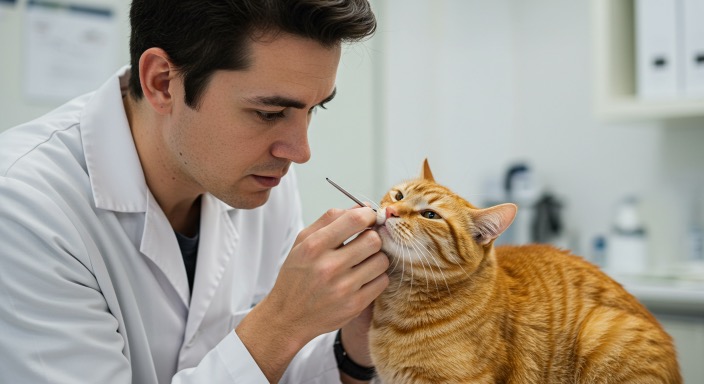
Frequent sneezing can stem from a wide variety of causes—some mild, others more serious. Understanding them helps you act quickly and appropriately.
1. Upper Respiratory Infections (URIs)
These are the most common culprits. Similar to human colds, URIs in cats are caused by viruses and bacteria like feline herpesvirus (FHV-1) or calicivirus.
Symptoms: Sneezing, runny eyes, nasal discharge, lethargy, and sometimes fever.
Treatment: Most cases resolve with rest, hydration, and veterinary support. Severe infections might require antibiotics or antiviral medication.
Cornell University’s Feline Health Center explains how feline respiratory infections spread quickly in multi-cat households and shelters.
2. Allergies
Just like us, cats can react to pollen, mold, dust, or cleaning products. If your cat sneezes mainly in certain seasons or around specific areas, allergies could be the reason.
Common triggers:
- Air fresheners and scented candles
- Dusty litter
- Cigarette smoke
- Pollen or mold spores
Solution: Identify the trigger, clean frequently, and use unscented litter.
VCA Animal Hospitals suggests switching to hypoallergenic litter and avoiding aerosol sprays around sensitive cats.
3. Dental Problems
Dental infections—especially those involving upper teeth—can spread bacteria into the sinus cavities, leading to sneezing and nasal discharge.
Symptoms: Drooling, bad breath, pawing at the mouth, reduced appetite.
Treatment: A vet will perform a dental exam, possibly followed by cleaning or tooth extraction if infection is advanced.
PetMD’s dental health article details how dental bacteria can affect nasal passages and trigger chronic sneezing.
Read our post “How to Keep Your Cat’s Teeth Healthy” in Pet Health for home dental care tips.
4. Foreign Objects in the Nose
Cats love to sniff everything—dust, grass, bits of litter—and sometimes small debris gets lodged in their nasal passages. Sneezing helps them expel it.
Warning Signs: One-sided sneezing, pawing at the nose, or nasal bleeding.
Treatment: Don’t try to remove anything yourself. Your vet can safely examine and clear the airway.
5. Fungal or Bacterial Infections
Chronic sneezing with thick discharge could indicate a deeper fungal or bacterial infection, especially Cryptococcus, common in outdoor cats.
Symptoms: Swelling around the nose, discharge, or respiratory difficulty.
Treatment: Antifungal or antibiotic therapy prescribed by your vet.
6. Environmental Irritants
Even healthy cats can sneeze from everyday irritants like dust or smoke. If you smoke indoors or use sprays, your cat’s nose may become irritated.
Fix:
- Use air purifiers
- Ventilate rooms
- Avoid harsh chemicals near litter areas
The Humane Society highlights everyday irritants that trigger sneezing and respiratory issues in cats.
Check out “Creating a Pet-Friendly Home Environment” under Lifestyle with Pets for more safe-air ideas.
7. Nasal Polyps or Tumors
Though less common, growths in the nasal passage can cause chronic sneezing, congestion, and breathing noise. Older cats are more prone to these issues.
Treatment: Polyps may be surgically removed, while tumors require advanced veterinary care.
MSD Veterinary Manual covers diagnostic methods and treatment options for nasal growths.
When to See a Vet
See your vet if your cat’s sneezing:
- Lasts more than a week
- Includes blood or thick yellow/green mucus
- Comes with fever, drooling, or appetite loss
- Causes difficulty breathing
Your vet may perform nasal swabs, X-rays, or allergy tests to determine the cause.
Home Care Tips for Cats Who Sneeze Frequently
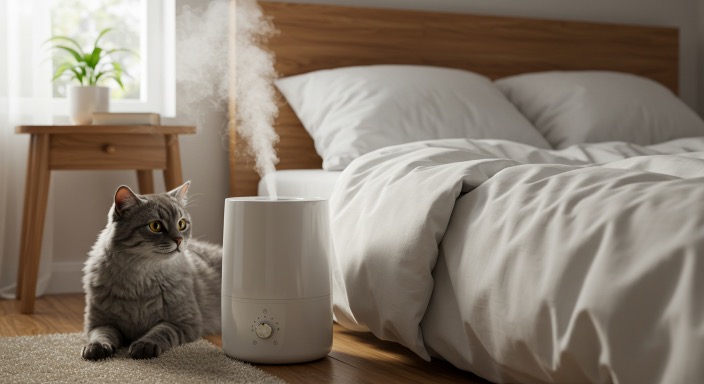
While waiting for a diagnosis or managing mild sneezing, home care can help your cat feel more comfortable.
- Humidify the Air – Moist air soothes nasal passages.
- Keep the Environment Clean – Vacuum dust, change litter more often.
- Wipe Nasal Discharge Gently – Use a soft, damp cloth.
- Hydration – Encourage water intake to keep mucus thin.
- Feed Nutritious Food – Strong immunity helps recovery.
Chewy’s cat wellness guide suggests steam therapy and clean air as safe, natural aids.
Visit our Pet Stories section to read how other owners managed chronic sneezing with lifestyle adjustments.
Preventing Future Sneezing Episodes
You can’t prevent every sneeze, but you can reduce triggers with these habits:
- Stay current on vaccinations (FHV-1, calicivirus).
- Limit exposure to sick cats.
- Use low-dust litter and clean bedding weekly.
- Keep your cat indoors to avoid allergens and infection.
Sage Tournals outlines vaccination protocols that reduce infection-related sneezing.
Could Sneezing Be a Sign of Something Serious?
Yes, chronic sneezing sometimes signals deeper problems like feline herpesvirus, allergies, or even nasal tumors. Persistent sneezing always deserves professional evaluation.
Why is my cat sneezing a lot
Final Thought : Keep an Eye (and Ear) on That Sneeze
A few sneezes are part of life, but constant or worsening sneezing should never be ignored. From allergies and infections to dental issues, the causes vary—but prompt care and a clean, stress-free home environment help your cat breathe easier again.
Your attention, consistency, and partnership with your vet will ensure that those cute sneezes stay just that—cute, not concerning.
For a detailed vet perspective, see PetMD’s full guide on cat sneezing.
For more insights into feline health, explore our Pet Health blog.