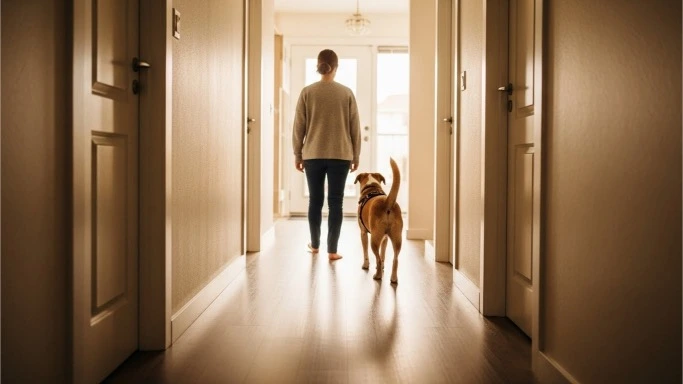
Have you ever stood up to grab a glass of water, only to hear paws behind you?
Or walked from one room to another and noticed your dog quietly trailing you like a furry shadow?
If so, you’re not imagining it — and you’re definitely not alone.
One of the most common questions dog parents ask is:
“Why does my dog follow me everywhere?”
Sometimes it feels sweet.
Sometimes it feels funny.
And sometimes… it makes you wonder if something deeper is going on.
The truth is, dogs follow their humans for many reasons, and most of them come from love, instinct, and emotional connection. In this guide, we’ll explore the real reasons dogs stick so close, when it’s completely normal, when it might signal anxiety, and how to respond in a healthy, loving way.
Let’s break it down — calmly, clearly, and honestly.
Short Answer: Dogs Follow the People They Feel Safest With
At its core, your dog follows you because you are their safe place.
Dogs are social animals. In the wild, survival depended on staying close to their group. In your home, you are that group — the leader, the protector, the provider, and the emotional anchor.
But that’s only the beginning.
Let’s look at all the real reasons behind this behavior.
1. You’re Your Dog’s Favorite Person
This is the most heart-warming reason — and the most common.
Dogs often choose one person as their “primary human.” That doesn’t mean they don’t love others. It simply means they feel most connected to you.
You might be that person because:
- You feed them
- You walk them
- You play with them
- You spend the most calm, consistent time together
- You comfort them when they’re scared or tired
Dogs bond through routine and emotion. If you’re the one who meets their needs regularly, following you becomes natural.
To your dog, staying close to you feels right.
2. Dogs Are Pack Animals by Nature
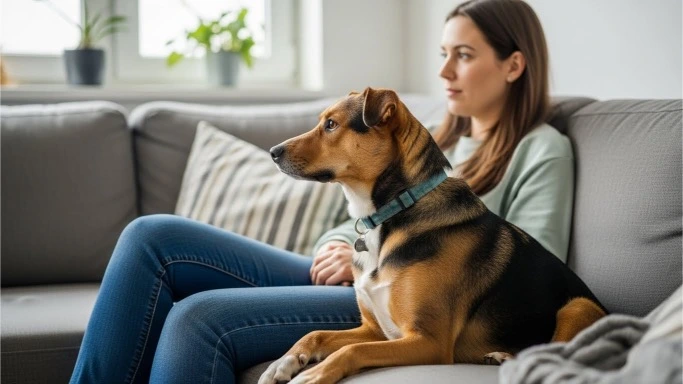
Long before dogs lived on couches and slept in cozy beds, they lived in packs.
In a pack:
- Members move together
- Leaders are followed
- Separation can mean danger
Even though your dog is safe at home, those instincts still exist. When you move, their instinct says, “I should stay with my pack.”
This is especially common in:
- Puppies
- Recently adopted dogs
- Dogs that spent time in shelters
- Breeds bred for companionship or herding
Following you isn’t clinginess by default — it’s instinct.
3. You’re the Source of Good Things
Let’s be honest — dogs are excellent observers.
Your dog knows that when you stand up, something might happen:
- Food
- A walk
- A treat
- Playtime
- Going outside
- Cuddles
So they follow… just in case.
This doesn’t mean your dog is only motivated by food. It means they’ve learned that you are the gateway to life’s rewards.
And that’s not a bad thing.
4. Your Dog Feels Emotionally Connected to You
Dogs are incredibly sensitive to human emotions.
They read:
- Your tone
- Your posture
- Your mood
- Your energy
If you’re feeling stressed, sad, tired, or anxious, your dog may follow you more closely than usual. For them, staying near you feels like comfort — and sometimes, like protection.
Many dog parents notice this behavior increase during:
- Emotional times
- Illness
- Grief
- Big life changes
Your dog may not understand why you feel different, but they know you do.
So they stay close.
5. Some Breeds Are Natural “Velcro Dogs”
Certain dog breeds are famous for sticking close to their humans.
These breeds were bred specifically to work with people or stay near them for long periods.
Common “velcro breeds” include:
- Labrador Retrievers
- Golden Retrievers
- Border Collies
- Australian Shepherds
- German Shepherds
- Cavalier King Charles Spaniels
- Boxers
- Vizslas
If you live with one of these breeds, following you everywhere is often just part of who they are.
6. Your Dog Might Be Bored or Under-Stimulated
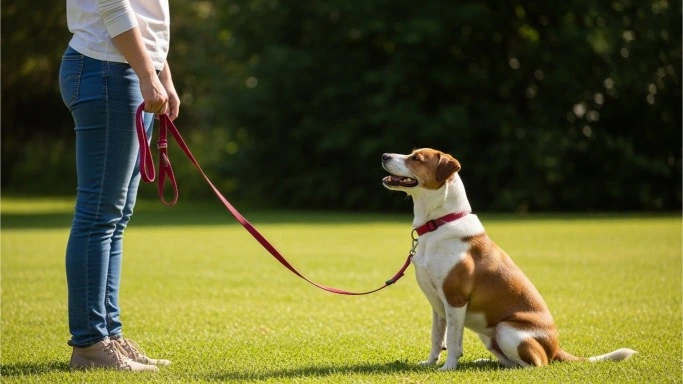
Sometimes following behavior isn’t emotional — it’s practical.
If your dog:
- Doesn’t get enough exercise
- Lacks mental stimulation
- Spends long periods inactive
They may follow you simply because you’re the most interesting thing happening.
Dogs need both physical and mental outlets. When those needs aren’t met, they naturally seek engagement from their favorite human.
7. Separation Anxiety Can Also Cause Shadowing
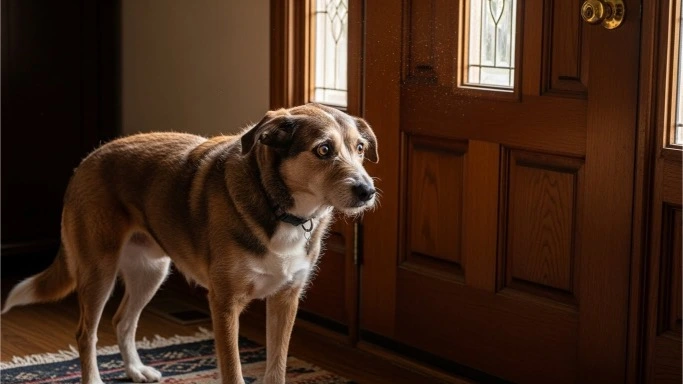
Now let’s talk about the important part.
While following is usually normal, constant, distressed following can sometimes point to separation anxiety.
Signs include:
- Panic when you leave the room
- Whining or pacing
- Destructive behavior when alone
- Excessive barking
- Following you even into the bathroom
- Stress when you grab keys or shoes
If your dog seems worried, not relaxed, that’s different.
In those cases, the behavior isn’t about love — it’s about fear of being alone.
If this sounds familiar, gentle training and reassurance can help. You don’t need to punish or push your dog away. You need to build confidence.
8. Puppies Follow More — and That’s Normal
If your dog is still a puppy, following you everywhere is completely normal.
Puppies:
- Are learning the world
- Feel safest near caregivers
- Haven’t built independence yet
As they mature, confident puppies usually grow into more independent dogs — especially when guided with patience and consistency.
9. Older Dogs May Follow More Due to Aging
Senior dogs often become more attached as they age.
This can happen because:
- Vision or hearing declines
- Cognitive changes occur
- They feel safer near familiar people
- They move more slowly and prefer predictability
Following you can be a sign of trust and comfort — not dependency.
You will like to read also : How to Help a Senior Dog Sleep Better
10. Your Dog May Simply Love You Deeply

Sometimes, the simplest answer is the truest one.
Your dog follows you because:
- They love you
- They trust you
- They enjoy your presence
- You make them feel secure
Dogs don’t overthink relationships. When they choose you, they choose you fully.
Is It Bad If My Dog Follows Me Everywhere?
In most cases — no.
Following is normal, healthy, and emotionally grounded when:
- Your dog can relax when you’re not in sight
- They don’t panic when left alone briefly
- They eat, sleep, and play normally
- They show calm body language
It becomes a concern only when fear, distress, or inability to self-soothe is involved.
How to Encourage Healthy Independence (Without Breaking the Bond)
If you want to gently encourage independence, here’s how:
1. Create Positive Alone Time
Give your dog a chew toy or puzzle in another room — briefly at first.
2. Avoid Dramatic Exits
Calm departures teach dogs that leaving is normal.
3. Reward Calm Behavior
Praise your dog when they relax on their own.
4. Increase Mental Stimulation
Puzzle toys, sniff walks, and training sessions help a lot.
5. Stick to Predictable Routines
Consistency builds confidence.
Common Questions Dog Parents Ask
Why does my dog follow me but not other people?
Because dogs bond most strongly with the person who consistently meets their emotional and physical needs.
Why does my dog follow me into the bathroom?
Dogs don’t understand privacy. To them, you’re part of the pack — and pack members stay together.
Is my dog being protective?
Sometimes, but usually it’s attachment, not guarding behavior.
Should I stop my dog from following me?
Only if it causes distress. Otherwise, it’s healthy and normal.
For related reading, check out this article about separation anxiety.
The takeaway
When your dog follows you from room to room, it’s rarely random.
It’s connection.
It’s trust.
It’s instinct.
It’s love.
In most cases, it’s your dog’s quiet way of saying, “Where you go, I feel safe.”
As long as your dog is calm, confident, and able to relax independently, this behavior is something to appreciate — not fix.
Because one day, you might look back and miss the sound of paws behind you.