
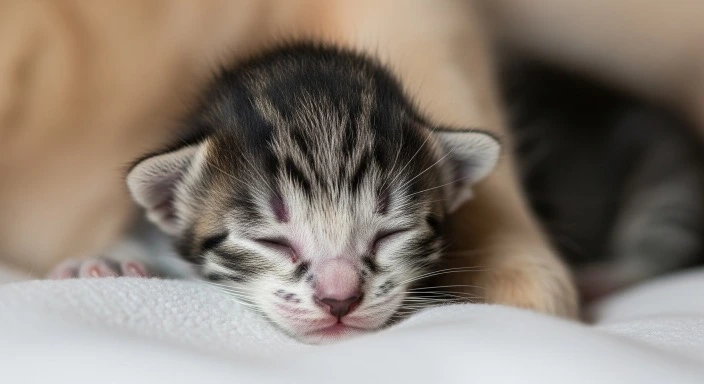
When do kittens open their eyes
There’s nothing quite like holding a tiny newborn kitten — soft, warm, and impossibly small. But if you’ve ever seen one just after birth, you’ll notice something curious: their eyes are completely closed.
You might wonder, When do kittens open their eyes? And when they finally do, why are they such a striking shade of blue?
This moment marks one of the most magical milestones in a kitten’s early life — the moment they truly begin to see the world (and you). In this complete guide, we’ll explore how kittens’ eyes develop, what’s normal at each stage, and how to keep their vision healthy as they grow.
Understanding Why Kittens Are Born With Closed Eyes
Unlike many animals, kittens are born blind and deaf. Their eyes and ears are sealed shut at birth because their nervous and sensory systems are still developing.
Newborn kittens rely entirely on touch, smell, and warmth to navigate — finding their mother’s milk by instinct and scent rather than sight. This early protection keeps their delicate corneas safe from infection and light sensitivity while they mature.
Michelson Found Animals – Kitten Developmental Milestones
The First Two Weeks: What’s Happening Behind Closed Eyelids
During the first 7–10 days of life, the kitten’s eyes are sealed by thin membranes. Inside, incredible growth is taking place:
- The retina, responsible for processing light, is forming.
- Optic nerves are connecting to the brain.
- Pupils begin to develop the ability to constrict and expand.
When Eyes Begin to Open
Most kittens open their eyes between 7 and 14 days old. Some may peek earlier — others may take a few days longer. It’s normal for one eye to open before the other.
The eyes will appear slightly swollen at first, with a hazy or bluish hue. This blue isn’t their final color; it’s simply due to light scattering in undeveloped pigment cells.
For related reading, check out Kitten Growth Stages Explained: How to Tell How Old Your Kitten Really Is
Week-by-Week Kitten Eye Development
Week 1 (Days 1–7)
- Eyes fully closed
- Respond only to warmth and touch
- Mothers guide them by scent
Keep the environment dim and quiet — bright light can damage fragile developing eyes.
Week 2 (Days 8–14)
When do kittens open their eyes

When do kittens open their eyes
- Eyes start to open gradually
- Color appears blue-gray
- Kittens begin to recognize movement but can’t focus clearly
Avoid touching or forcing the eyelids open. Let nature take its course.
Week 3 (Days 15–21)
- Both eyes open fully
- Pupils react to light
- Depth perception and focus start improving
- Kittens become curious and wobbly explorers
This is the perfect time to start kitten-proofing your home!
Read also : Low Maintenance Pets for Beginners: What You Should Know Before Adopting
Week 4–5
- Eyes remain blue but sharper
- Visual tracking improves
- Kittens begin to recognize faces, toys, and siblings
- Start using sight to coordinate play and pouncing
Week 6–8
- Eye color may start changing — golden, green, or amber shades appear
- Vision nears full development
- Kittens rely less on scent and more on sight
Common Eye Problems in Young Kittens
Even though kittens’ eyes are adorable, they’re very delicate in the first few weeks. Keep an eye out (pun intended!) for these issues:
1. Eye Discharge or Crusting
A small amount of clear discharge is normal. But if you notice yellow, green, or sticky crust, it could mean infection. Gently clean with warm water and cotton pads — never soap — and call your vet.
2. Swelling or Redness
Swollen eyelids or red rims may indicate conjunctivitis (pink eye), which is common in kittens from crowded litters or rescues.
3. Cloudy or Milky Eyes
Could signal ulcers or corneal damage. This requires veterinary care immediately.
For related reading, check out Dog Peeing Blood? Don’t Panic — Here’s What You Need to Know
4. Delayed Eye Opening
If by three weeks your kitten’s eyes haven’t opened, contact your vet. This could indicate underlying infection or poor nutrition.
How to Care for Your Kitten’s Eyes
1. Keep the Nest Clean
Bacteria can thrive in dirty bedding. Wash and replace blankets often, especially in multi-kitten litters.
2. Avoid Bright Light
Exposure to strong light early on can cause eye strain or discomfort. Keep their space softly lit until at least 3–4 weeks.
3. Don’t Force Anything
Never try to open a kitten’s eyes manually — it can cause tears or scarring.
4. Monitor Changes Daily
Note when each kitten’s eyes begin to open. Uneven timing is fine, but discharge or crust should be checked by a vet.
5. Promote Healthy Nutrition
Good nutrition supports eye development. If bottle-feeding, use a kitten milk replacer, not cow’s milk, which can upset their stomach.
Can Cats Eat Yogurt? What Vets Say
Why All Kittens Have Blue Eyes (At First)
When do kittens open their eyes

When do kittens open their eyes
Kittens are born with blue eyes because melanin — the pigment that determines eye color — isn’t active yet. As they grow, sunlight triggers melanin production, leading to permanent hues like green, amber, or gold.
By around 8–12 weeks, your kitten’s true eye color emerges. Some breeds, like Siamese or Ragdolls, keep their striking blue eyes into adulthood.
When Eye Color or Shape Signals Trouble
While gradual color change is normal, certain shifts can indicate issues:
- One eye changing faster than the other – possible infection.
- Yellow tint in the whites of eyes – may suggest liver issues.
- Bulging or misshapen eyes – could be glaucoma or trauma.
If anything looks abnormal, don’t wait — early intervention keeps vision healthy.
Cat Breeders Scotland: How to Find Ethical and Loving Catteries
Bonding Through the Eye-Opening Stage
This is one of the most heartwarming phases in kitten development. Once their eyes open, they start seeing you — their caregiver, their world.
Talk softly, handle them gently, and spend time near the nest. This helps kittens associate your voice and scent with safety and affection.
Early positive contact sets the stage for friendly, confident adult cats.
Tips for Multi-Kitten Litters
If you’re caring for several kittens:
- Track each one’s progress with a small note or photo log.
- Ensure smaller kittens aren’t pushed away during feeding.
- Gently clean eyes daily if any signs of crust appear.
- Rotate them during nursing so everyone gets equal time.
Common Questions About Kitten Eyes
Do kittens see clearly right after opening their eyes?
Not yet! Vision is blurry for the first 2–3 weeks. They can detect light and shapes, but full clarity comes by 5–6 weeks.
Should I clean their eyes daily?
Only if you notice discharge. Use warm water and a clean pad for each eye.
Can I use human eye drops?
Never — some ingredients are toxic to cats. Always consult your vet.
Do kittens dream?
Yes! As their brains mature, they enter REM sleep cycles, twitching their whiskers and paws just like adult cats.
When do kittens open their eyes
The Takeaway
So, when do kittens open their eyes? Usually around 7–14 days, marking their first real connection with the world — and with you.
It’s a fragile yet beautiful stage of growth. By understanding how their eyes develop and how to protect them, you’re not just raising kittens — you’re helping them see life, love, and home for the very first time.
Patience, warmth, and gentle care will make this milestone one to remember — for both of you.
When do kittens open their eyes
Celebrate every tiny milestone with your furry friends on MyPetMyJoy.com — where pets are family forever.
When do kittens open their eyes