
Puppy vaccinations
Bringing home a puppy feels like welcoming sunshine into your life. The joy, the tiny paws, the curious eyes—it’s love at first sight. But beneath all that excitement lies a serious responsibility: keeping your new companion healthy.
One of the most important ways to do that is through puppy vaccinations. Vaccines protect your pup from life-threatening diseases that can spread quickly among dogs. If you’re a new dog parent, you might be wondering: What vaccines does my puppy need? When should they get them? And how much does it cost?
In this guide, we’ll walk you through the puppy vaccination schedule, explain why each shot matters, and help you prepare for your vet visits with confidence.
According to Avma’s Vaccination Guide, starting your puppy’s vaccines early is the key to lifelong protection and prevention of deadly diseases.
Why Puppy Vaccinations Matter
Puppies are born with fragile immune systems. In their first weeks, they rely on antibodies from their mother’s milk, but that protection fades fast—usually by 6 to 8 weeks. After that, they’re exposed to viruses, bacteria, and parasites through everyday exploration.
That’s where vaccinations step in. Vaccines train your puppy’s immune system to recognize and fight dangerous diseases before they can take hold.
PetMD emphasizes that routine vaccinations prevent illnesses like parvovirus and distemper—two of the deadliest infections for young dogs.
Learn more about preventive pet care in our Pet Health section, where we cover everything from dental hygiene to parasite protection.
Understanding Core vs. Non-Core Vaccines
Veterinarians divide vaccines into two groups: core and non-core.
- Core Vaccines protect against the most serious, contagious, and potentially fatal diseases. These are recommended for every dog.
- Non-Core Vaccines are optional and depend on lifestyle, region, or exposure risks (e.g., outdoor hiking, boarding, or travel).
Core Vaccines Include:
- Canine Parvovirus (CPV)
- Canine Distemper Virus (CDV)
- Canine Adenovirus (CAV-2)
- Rabies Virus
Non-Core Vaccines Include:
- Bordetella bronchiseptica (kennel cough)
- Leptospirosis
- Lyme disease
- Canine influenza
Explore our Lifestyle with Pets page to learn how environment impacts your puppy’s health and training needs.
Puppy Vaccination Schedule by Age
Puppy Vaccinations
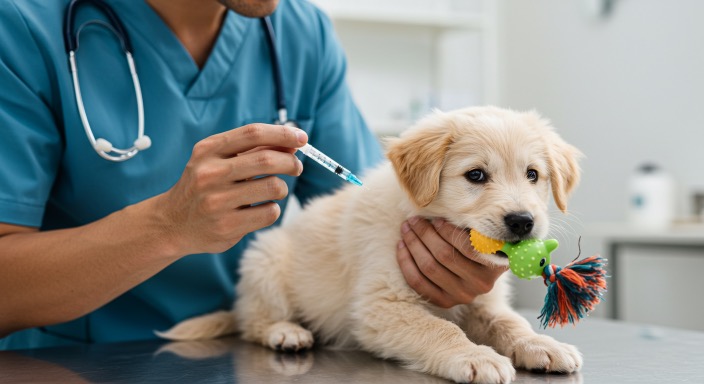
Below is a general puppy vaccination timeline that most veterinarians recommend:
| Puppy Age | Core Vaccinations | Non-Core (If Recommended) |
| 6–8 weeks | Distemper, Parvovirus | Bordetella (optional) |
| 10–12 weeks | DHPP (Distemper, Hepatitis, Parvovirus, Parainfluenza) | Leptospirosis, Lyme |
| 14–16 weeks | DHPP booster, Rabies | Canine influenza |
| 12–16 months | DHPP, Rabies booster | Lepto/Lyme/Influenza (if needed) |
| Every 1–3 years | DHPP, Rabies boosters | Based on lifestyle risk |
Puppy Vaccinations
The Michigan State University states that rabies vaccines are legally required in most regions to protect both pets and humans.
How Vaccines Work: Building Immunity the Safe Way
Vaccines expose your puppy to harmless parts of viruses or bacteria—enough to stimulate an immune response but not enough to cause illness.
This process helps the body “remember” the pathogen. When real exposure happens later, the immune system reacts instantly, neutralizing the threat.
National Library of Medicine explains how modern vaccines are safe, effective, and essential for herd immunity among domestic pets.
Check out our post “How to Keep Your Puppy Calm During Vet Visits” in Family & Pets to make those vaccine days stress-free.
Common Side Effects of Puppy Vaccines
Most puppies tolerate vaccines well, but mild side effects can occur within 24 hours, such as:
- Slight lethargy or fatigue
- Mild swelling at the injection site
- Temporary loss of appetite
Serious allergic reactions are rare but can include facial swelling, persistent vomiting, or difficulty breathing—if you see these, contact your vet immediately.
Pet Poison Helpline offers detailed emergency steps if your pet reacts poorly to a vaccine.
How Much Do Puppy Vaccinations Cost?
Costs vary depending on location, vet fees, and vaccines chosen. Here’s a rough estimate for budgeting:
| Vaccine Type | Average Cost per Dose |
| DHPP (core combo) | $25–$45 |
| Rabies | $15–$30 |
| Bordetella | $20–$50 |
| Leptospirosis | $25–$35 |
| Lyme / Influenza | $30–$50 |
Full first-year vaccination schedules typically range between $100–$250.
Banfield Pet Hospital lists regional cost differences and discount wellness plans for new pet owners.
Visit our Popular Products category to find puppy care essentials—like chew toys and calming treats—for after their vet visits.
Making Vaccinations Easier for Your Puppy
Puppy Vaccinations
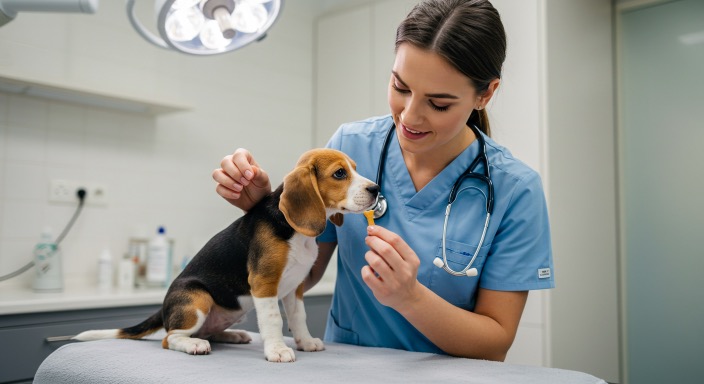
Vet visits can feel scary for young dogs. Here’s how to help your puppy stay calm:
- Bring their favorite toy or blanket.
- Offer gentle praise and small treats during the appointment.
- Schedule visits during quiet times of the day.
- Use a crate or soft carrier for safety.
ASPCA’s dog care guide suggests combining routine health checks with positive reinforcement to build trust and reduce anxiety.
What Happens If You Skip Puppy Vaccines?
Skipping vaccinations leaves your puppy vulnerable to diseases like parvovirus, distemper, and rabies—all of which can be fatal. Even indoor dogs aren’t safe; viruses can be carried in on shoes or through open windows.
24 Pet Watch warns that unvaccinated puppies face high hospitalization costs and poor survival rates when infected.
Read “How to Boost Your Puppy’s Immune System Naturally” in our Pet Health section for diet and lifestyle tips that support long-term wellness.
When to Update or Renew Puppy Shots
Immunity from vaccines fades over time. Most adult dogs need booster shots every 1–3 years depending on the vaccine type and risk factors.
Your vet will track vaccination records and notify you when it’s time for renewals. Keep your dog’s vaccination log updated, especially if you plan to board, groom, or travel with them.
Final Thought: A Healthy Start Means a Happy Future
Every wag, every jump, every sloppy kiss begins with good health—and vaccinations are at the heart of that. Protecting your puppy from preventable diseases ensures not only a long life but one filled with joy, safety, and play.
Your vet is your best partner in this journey. Follow the vaccination schedule, keep those appointments, and enjoy the peace of mind that comes with knowing your best friend is protected from the start.
For more trusted guidance on puppy care, visit our Family & Pets section and explore articles like “How to Train a Puppy Not to Bite” and “Low Maintenance Pets for Beginners.”