
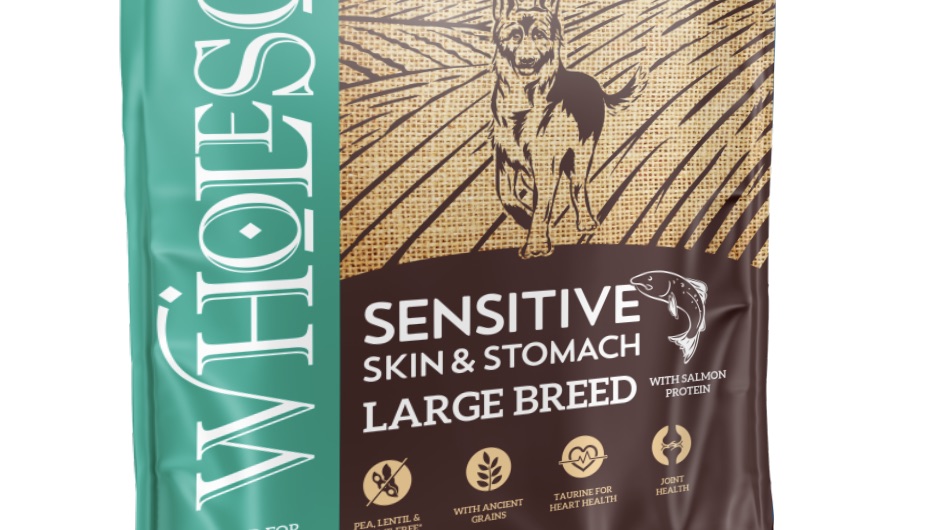
Is Wholesomes Dog Food Good
You pull the bag of dog food from the shelf. Bright colours. Bold text. Promises of “wholesome nutrition.” Your pup watches expectantly. You read the label: “Wholesomes® Dog Food.” It looks good. But inside you wonder: Is Wholesomes dog food actually good? Does it deliver what it says?
Throw in daily dog care demands, breeder recommendations, vet advice and price comparisons — it becomes a confusing jungle of choices. You just want the one food that gives your dog whole-health, not just marketing hype.
In this article, we’ll dig deep into Wholesomes dog food — formulas, ingredient quality, nutrition profiles, brand credibility, recall history, pros & cons — so you can decide whether it fits YOUR dog.
We’ll reference trusted sources and give you internal links to other pet care articles on MyPetMyJoy.com. No fluff. Just real-deal analysis so you feel confident feeding each bowl.
1. What Is Wholesomes Dog Food?
Wholesomes® is a brand produced by Midwestern Pet Foods, offering dry dog food formulas aimed at whole-grain, grain-free, and sensitive stomach options. According to the brand’s own site, “Our dog food for dogs with sensitive stomachs is crafted with easily-digestible proteins and ingredients for all life stages.” (Wholesomes Pet Food)
The product range includes:
- Grain-inclusive recipes (with brown rice or whole grains)
- Grain-free formulas (potato or legumes base)
- Sensitive Skin & Stomach lines
- Breed size or life-stage variants
In short: Wholesomes positions itself as a quality, budget-friendly alternative to premium dog food brands.
2. Ingredient Breakdown — Good, Better or Just Okay?
Is Wholesomes Dog Food Good

Is Wholesomes Dog Food Good
2.1 First Ingredients & Protein Sources
One of the major metrics in dog food evaluation is: What’s the first ingredient?
Wholesomes Adult Beef Meal & Rice, for example, lists “Beef Meal, Rice, Peas…” (The Stock Shop Feed & Pet)
Beef meal is a concentrated form of meat protein (good). Rice is a digestible grain (acceptable for many dogs). That signals they start with named meat-meal rather than vague “animal by-product”.
2.2 Grains, Fillers & Carbohydrates
Wholesomes recipes vary. The grain-inclusive lines use brown rice, peas, chickpeas; the grain-free use potatoes or legumes. According to DogFoodAdvisor’s review, Wholesomes’ nutrient profile shows about ~27% protein, ~16% fat, ~50% estimated carbs for one of the formulas. (Dog Food Advisor)
That suggests they are moderately carb-heavy compared to ultra-premium brands that may aim higher protein/lower carbs.
2.3 Added Nutrition: Omegas, Vegetables, Fruit
The brand promotes Omega-6 & Omega-3 fatty acids for skin & coat, and includes fruit/vegetable fibers (in certain formulas) for digestive health. For instance, the Lamb Meal & Rice recipe says “nutritionally balances Omega-6 & Omega-3 fatty acids to promote healthy skin & hair coat.” (Wholesomes Pet Food)
2.4 Recalls & Quality Control
It’s wise to consider a brand’s recall history. Wholesomes (via Midwestern Pet Foods) has been subject to recalls. For example, recall reports highlight salmonella contamination of certain lots from Midwestern locations. (SELF)
That doesn’t automatically disqualify the brand — but it adds a caution layer. Quality control matters.
3. How Well Does It Meet Nutritional Needs?
3.1 Complete & Balanced?
Wholesomes states that “All Wholesomes foods are designed to provide complete and balanced nutrition and meet Association of American Feed Control Officials (AAFCO) requirements.” (Wholesomes Pet Food)
Meeting AAFCO means the food covers minimum nutritional standards for maintenance. Good.
3.2 Life-Stage & Size Considerations
While Wholesomes offers “all life stage” or adult formulas, some reviewers note it lacks dedicated senior formulas. (Wag!) If your dog is 10+ years old or has chronic health issues, a specialized senior formula may still be preferable.
3.3 Digestibility & Sensitive Dogs
User reviews suggest that dogs with sensitive stomachs or skin respond well:
“After switching our dogs were healthy weight, shiny coat … switched from natural white fish and potatoes.” (Chewy)
That’s a positive. Still, every dog is unique — always transition over 7-10 days and monitor.
4. Pros — What Wholesomes Does Well
- Named meat meals as first ingredient: That’s a positive sign compared to brands using “animal meal” or vague terms.
- Budget-friendly price point: According to WagWalking, the brand offers “good quality dry dog food in more of the budget range.” (Wag!)
- Variety of formulas: Grain-free, grain-inclusive, sensitive stomach/skin. Good for owners with specific needs.
- Transparency on ingredient lists: Many recipes list exact meals and highlight “No corn, wheat or soy” in some lines.
- Made in USA: For some owners, origin matters.
- Community & charitable angle: The brand donates a portion of sales to a children’s foundation. A nice ethos element.
5. Cons & Things to Know
- Protein & carb balance is moderate: As noted, some formulas show ~50% carbs. For very active dogs needing higher protein, may not be optimal.
- No dedicated senior line: If your dog is older or needs special joint/support formulas, may require switching or supplementing.
- Recall history: Recalls from the parent company warrant that you monitor lot numbers, check retailer stock, and rotate responsibly.
- Ingredient controversies: Some formulas include beet pulp, pea protein, and “rice” (not clarified as whole-grain). These ingredients tend to be debated among nutritionists. (Dog Food Advisor)
- Kibble size & dog-size fit: Some larger kibble pieces reported; for toy breeds or small dogs you may need to assess ease of chewing.
6. Who Is It Best For?
Wholesomes may be a strong choice if your dog is:
- A healthy adult dog without major special nutritional needs.
- A dog with mild sensitivities (since they offer skin/stomach formulas).
- Budget-conscious but still wanting quality ingredients.
- You prefer a variety of formula options within one brand.
It may be less ideal if your dog:
- Is a senior 10+, needs joint/support formulas.
- Needs extremely high protein/lower carb ratio (e.g., working dog, agility dog).
- Has a very specific allergy requiring an ultra-limited-ingredient diet.
- You prefer raw/freeze-dried/super-premium nutrition above typical kibble.
7. How to Transition Your Dog to Wholesomes
When switching any dog food brand, do it gradually over 7-10 days:
- Days 1-3: 75% old food + 25% new food
- Days 4-6: 50% old + 50% new
- Days 7-10: 25% old + 75% new
- Day 11: Full new brand (if no adverse signs)
Monitor for:
- Stool consistency (loose stool may indicate too fast transition)
- Appetite changes
- Coat & skin condition
- Energy levels
If you notice persistent problems after 2-3 weeks (e.g., itchy skin, gas, stool issues), consult your vet and consider whether this brand suits your dog.
8. Cost & Value Comparison
One of Wholesomes’ selling points is relative affordability. Reviews show 40-lb bags retailing in the ~$45-50 range in many cases. (Tractor Supply Co.)
In comparison, ultra-premium brands may cost $60-90+ for similar bag sizes. So if your pup thrives on it, you may gain full value.
Value note: Quality nutrition isn’t always ultra-premium price — but price should align with ingredient quality. For Wholesomes, many reviewers call it “good middle range food” (Wag!).
9. Actual Owner Feedback — What Real-Life Pet Parents Say
Is Wholesomes Dog Food Good

Is Wholesomes Dog Food Good
Positive feedback includes:
“Our dogs’ coat is gleaming, no loose stools after switching.” (Chewy)
“Dogs gobble it up, good quality ingredients, affordable.” (Whole Paws Dog Food)
Considerations noted:
Some picky eaters still refused it. Some dogs with chronic conditions needed more specialized food.
Reviewers caution always monitoring transitions and matching formulas to your dog’s unique needs.
10. Recalls & Brand Monitoring — What To Watch
As noted earlier, Midwestern Pet Foods (parent company) has issued recalls affecting Wholesomes. (Allrecipes)
While no brand is perfect, a few tips for you as a pet parent:
- Register the product and bag lot number (some retailers/brand offer recall notifications).
- Store kibble in a cool dry place, check for odd smell or texture.
- Subscribe to dog food recall alert services (many sites offer free email alerts).
- Monitor your dog’s health visibly after switching food (coat, stool, energy, appetite).
11. Final Verdict — Is Wholesomes Dog Food Good?
Yes — for many dogs, Wholesomes is a solid, dependable food that balances quality and affordability. It offers named meat meals, avoids many fillers, uses decent nutrition profiles, and has a wide formula range.
However — it may not be the perfect choice for every dog. If your dog has advanced age, severe allergies, is a high-performance athlete, or you seek ultra-premium ingredients (e.g., novel proteins, freeze-dried, raw inclusion) then you may want to compare to higher-tier brands.
Summary:
- Good for most healthy adult dogs
- Works especially well if you’re budget-conscious or have a sensitive dog
- Worthwhile to monitor and ensure it fits your dog’s specific needs
- A brand to trust with caveats — always match brand → formula → your dog
Bringing It All Together
Selecting dog food is like selecting a partner: you want someone reliable, trustworthy, caring — but still meeting day-to-day demands. Wholesomes checks many boxes. It offers real-world value and decent ingredient quality.
But you also deserve to ask questions: Does it align with my dog’s life stage, health, activity level? Will it fuel their best self?
If your dog thrives on Wholesomes — shiny coat, happy hunger, good digestion — then you’ve found a winner. If somewhere inside you feel “can we do better?” then it may be time to compare.
Because at MyPetMyJoy.com, we believe your dog deserves food that not only fills their bowl — but fuels their whole life.
More poduct reviews, click this section