
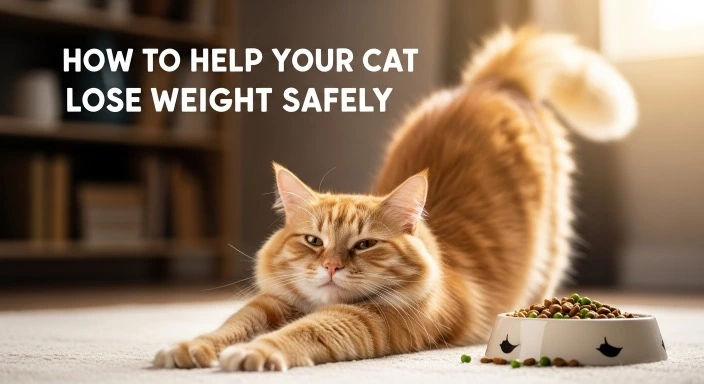
How to Help Your Cat Lose Weight
Does your cat’s belly gently sway when they walk? You’re not alone — more than half of pet cats in the U.S. are overweight. While those extra pounds may look cute, they can lead to serious health problems like diabetes, arthritis, and heart disease.
But here’s the good news: you can help your cat lose weight safely and without stress. It’s not about drastic diets or endless vet visits — it’s about gentle, consistent changes in food, play, and environment.
In this guide, we’ll explore how to recognize if your cat is overweight, how to plan a healthy routine, and how to make it fun for both of you.
Recognizing When Your Cat Needs to Lose Weight
A few extra ounces might not sound like much, but for cats, it makes a big difference.
According to the Cornell Feline Health Center, even two pounds over the ideal weight can shorten a cat’s lifespan.
Signs Your Cat Might Be Overweight
- Ribs are hard to feel through the fat layer.
- No visible waistline when viewed from above.
- Round belly when seen from the side.
- Difficulty grooming or jumping onto furniture.
You can read our earlier post on Dog Gut Health 101: Signs of Trouble & Vet-Approved Ways to Fix It— the same principles of gentle balance apply to cats, too.
A visit to your vet can confirm your cat’s Body Condition Score (BCS) — a scale from 1 to 9 that helps determine how overweight your cat may be.
Understanding the Causes of Cat Weight Gain
Weight gain in cats isn’t just about overeating — it’s about lifestyle and feeding habits.
1. Free Feeding
Leaving food out all day encourages constant nibbling. Cats are natural hunters, not grazers.
2. Too Many Treats
Even small treats can add up quickly. A few extra calories each day can mean an extra pound by year’s end.
3. Lack of Play
Indoor cats often have limited space and stimulation. Without hunting or climbing, they burn fewer calories.
According to the Pet Obesity Prevention Association, portion control and playtime are the top two factors in managing cat weight effectively.
How to Help Your Cat Lose Weight Safely
Step 1: Visit Your Vet
Start with a professional check-up. Your vet can rule out medical issues like thyroid problems and create a tailored plan.
Step 2: Calculate the Right Calories
Ask your vet how many calories your cat should eat daily. The average indoor cat needs 20 calories per pound of body weight to maintain — less for weight loss.
Step 3: Measure Every Meal
Use a food scale or measuring cup. Guessing portions leads to overfeeding.
Step 4: Switch to a High-Protein, Low-Carb Diet
Cats are obligate carnivores — their bodies thrive on animal protein, not grains. Choose a food with meat as the first ingredient.
Visit our detailed review post Is Wholesomes Dog Food Good? Here’s the Truth to see how ingredient quality affects pet health across species.
Feeding Strategies That Actually Work
How to Help Your Cat Lose Weight

How to Help Your Cat Lose Weight
1. Ditch the All-Day Buffet
Feed smaller, measured portions two to three times a day instead of keeping the bowl full.
2. Add Wet Food
Wet food has more moisture and fewer calories per bite. It helps cats feel fuller and supports hydration.
3. Try Food Puzzles
Puzzle feeders or slow-dispensing bowls make mealtime stimulating — mimicking hunting behavior while slowing eating.
4. Monitor Treat Intake
Use low-calorie treats or swap them for small bits of boiled chicken.
Feeding variety and interaction help maintain motivation during cat weight loss.
Exercise & Play Ideas for Lazy Cats
How to Help Your Cat Lose Weight

How to Help Your Cat Lose Weight
Cats need exercise, but you don’t need to turn your living room into a gym.
Small, daily play sessions work wonders.
Simple Activities That Burn Calories
- Feather Wand Chase: Mimics hunting movement and sparks natural instinct.
- Laser Pointer Games: Short bursts of energy that get even lazy cats moving.
- Cat Trees & Shelves: Encourages climbing and exploration.
- Food Hunt: Hide kibble around the house for mental and physical stimulation.
Aim for 10-15 minutes of play twice daily. Consistency beats intensity.
Reducing Stress While Helping Your Cat Lose Weight
Weight loss shouldn’t feel like punishment — for either of you.
- Stick to a routine: Cats love predictability.
- Avoid sudden food switches: Gradually mix in new food over 7–10 days.
- Offer affection, not food: Replace treats with cuddles and grooming time.
- Give control: Let your cat “hunt” for meals using interactive toys.
Stress-free methods make weight loss sustainable, not just temporary.
Tracking Progress the Right Way
- Weigh your cat weekly on a pet or baby scale.
- Record results in a simple log or app.
- Aim for 1–2% body weight loss per week — slow, steady progress is safest.
- Revisit your vet every 6–8 weeks for health monitoring.
If you’re managing an aging pet, you might also like How to Help a Senior Dog Sleep Better — small lifestyle changes go a long way for senior animals.
Realistic Expectations
Don’t expect overnight results. It can take months for a cat to reach their healthy weight.
What matters is sustainability — a new lifestyle you both enjoy.
Remember, cats mirror your patience. Stay consistent, celebrate small wins, and focus on their happiness.
The Bottom Line — Love Them Lightly, Love Them Longer
Helping your cat lose weight isn’t about restriction — it’s about love through care.
Every measured meal, every short play session, every patient routine adds up to more energy, less risk, and a longer life for your furry friend.
They don’t need to understand “calories” — they just need your consistency.
When you choose health, you’re choosing more years of purrs, naps, and cuddles together.