

What Does Ringworm Look Like
One morning, you’re brushing your dog and notice a strange round patch of missing fur. At first, it looks harmless—maybe a scratch or a spot where they rolled around too much. But over the next few days, the patch grows, the skin looks flaky, and your dog starts scratching more.
That’s when you start wondering: “Could this be ringworm?”
Despite the name, ringworm isn’t caused by worms—it’s a fungal infection that affects your dog’s skin, hair, and sometimes nails. It’s contagious, uncomfortable, and can spread to people and other pets.
In this complete guide, we’ll walk through how to spot ringworm, what it looks like, how it spreads, and how to treat it safely—so your dog can go back to being healthy, happy, and itch-free.
According to PetMD’s article on ringworm in dogs, recognizing the early signs of infection is key to faster healing and preventing transmission.
What Is Ringworm, Really?
Despite its creepy name, ringworm is not a worm at all. It’s a fungal infection caused by dermatophytes—tiny spores that thrive on dead skin cells and hair.
In dogs, the most common culprits are Microsporum canis, Microsporum gypseum, and Trichophyton mentagrophytes. These fungi live on the skin surface and feed on keratin, the protein that forms hair and nails.
When untreated, the fungus spreads outward in a circular pattern, creating the classic “ring” shape—a hallmark of ringworm infections.
VCA Animal Hospitals explains that ringworm spores can survive in the environment for up to 18 months, making disinfection critical during treatment.
Learn about other skin health issues in our Pet Health category, including “What Do Ringworms Look Like on Dogs?” and “Can Dogs Have Autism?” for a deeper look into canine wellness.
What Does Ringworm Look Like on a Dog?
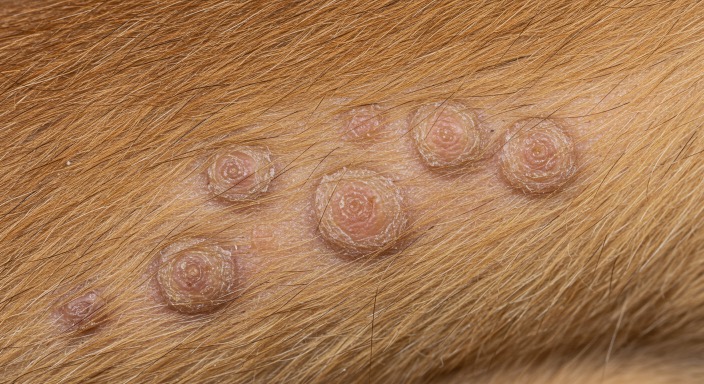
What Does Ringworm Look Like on a Dog
Ringworm symptoms can vary depending on your dog’s coat type, skin color, and immune health—but here’s what to look for:
1. Circular Bald Patches
The most classic sign is round, hairless spots with scaly, red edges. These patches often appear on the head, ears, paws, and forelegs.
The American Kennel Club notes that these lesions often resemble “a dime-sized rash with flaky or crusty skin.”
2. Dry or Brittle Fur Around the Area
The infection weakens hair shafts, causing them to break easily. You may notice dull, rough fur surrounding the bald patch.
3. Redness, Itching, or Inflammation
Some dogs develop mild irritation, while others scratch or lick excessively, worsening the infection.
4. Scabs or Crusty Skin
As ringworm heals or worsens, you might see scabs or a crusty texture—especially around the edges of the patch.
5. Spreading Lesions
Without treatment, new spots appear elsewhere on the body or even spread to you and other pets.
Mayo Clinic explains that humans can contract ringworm through direct contact or contaminated bedding and grooming tools.
How Dogs Get Ringworm
Ringworm spreads easily—especially in warm, humid environments or crowded spaces like shelters and grooming facilities.
1. Direct Contact
Your dog can catch ringworm from another infected pet or animal (including cats).
2. Contaminated Objects
Spores can cling to brushes, bedding, furniture, and even your clothes.
3. Environmental Exposure
Because spores can survive for months, dogs that play outdoors or dig in contaminated soil are more at risk.
VCA Hospitals confirms that spores on surfaces remain infectious long after shedding, making proper cleaning essential to prevent reinfection.
If your dog has been outdoors often, you might also enjoy our post “How to Boost Gut Health for Dogs After Antibiotics or Illness” for digestive protection tips.
What Does Ringworm Look Like on a Dog
Diagnosing Ringworm: What to Expect at the Vet
Your vet may use one or more of the following tests:
1. Wood’s Lamp Examination
A special UV light detects M. canis, which glows apple-green under illumination.
2. Microscopic Hair Analysis
Hairs from the edge of a lesion are examined for fungal spores.
3. Fungal Culture
This is the most reliable method but takes 10–14 days to confirm.
4. PCR Test
Advanced clinics use this DNA-based test for quicker results.
VCA Hospitals highlights that not all ringworm infections fluoresce under a Wood’s Lamp—so testing is crucial before treatment.
What Does Ringworm Look Like on a Dog
How to Treat Ringworm in Dogs Safely

What Does Ringworm Look Like on a Dog
Treating ringworm takes patience—it can last 6–12 weeks depending on severity. Here’s the step-by-step process:
Step 1: Topical Antifungal Treatment
Vets often prescribe creams, sprays, or medicated shampoos like miconazole or chlorhexidine. Bathe your dog twice a week to remove spores and soothe skin.
VCA Hospitals advises using antifungal shampoos every 3–5 days for effective spore control.
Step 2: Oral Antifungal Medications
In severe cases, dogs may need oral meds like griseofulvin, itraconazole, or terbinafine for several weeks.
Step 3: Clean and Disinfect Everything
Wash bedding, brushes, and toys in hot water and disinfect surfaces regularly with diluted bleach (1:10 ratio).
American Kennel Club details pet-safe cleaning solutions for eliminating fungus at home.
For natural cleaning ideas, check out our “Lifestyle with Pets” section at MyPetMyJoy.com.
Step 4: Isolate and Monitor Your Pet
Keep your dog away from other pets until your vet confirms recovery. Ringworm can spread silently, even before symptoms show.
Step 5: Follow Up Testing
Your vet may recommend repeat cultures after treatment to ensure the infection is gone.
Can Humans Catch Ringworm from Dogs?
Yes—ringworm is zoonotic, meaning it can spread between animals and people. Children, seniors, and people with weakened immune systems are most at risk.
American Academy of Dermatology Association confirms that good hygiene, quick treatment, and disinfection drastically reduce the chance of human infection.
If you suspect exposure, wash hands thoroughly and avoid touching lesions until the dog is fully cleared.
What Does Ringworm Look Like on a Dog
Prevention Tips for Dog Owners
- Keep your pet’s bedding clean and vacuum floors often.
- Bathe your dog regularly with gentle antifungal shampoo.
- Quarantine new pets before introducing them to others.
- Disinfect grooming tools after each use.
- Boost your dog’s immune system through proper nutrition and care.
Veterinarians recommend routine health checks to spot skin issues before they spread.
What Does Ringworm Look Like on a Dog
Final Thoughts: Spot It, Treat It, Stop It
Ringworm might sound scary, but with the right care, it’s treatable and preventable. Early detection and good hygiene make all the difference.
Check your dog’s coat regularly for unusual bald spots or flaky patches, and act fast. Whether it’s a trip to the vet or just extra cleaning at home, your care helps your pup stay itch-free, healthy, and happy.
Because every dog deserves more wagging—and less scratching.
Explore more pet health insights on MyPetMyJoy.com — where pets are family forever.
What Does Ringworm Look Like on a Dog
Our Authority Sources
- PetMD’s article on ringworm in dogs,
- VCA Animal Hospitals
- The American Kennel Club
- Mayo Clinic – contract ringworm through direct contact
- VCA Hospitals – Ringworm in Dogs
- American Kennel Club – Dog Safe-Cleaning
- American Academy of Dermatology Association