Do dogs sleep with their eyes open?
Have you ever looked over at your dog resting peacefully—only to notice their eyes slightly open and thought, “Wait… are they awake?”
Don’t worry—you’re not seeing things. Many dogs do appear to sleep with their eyes partly open, and while it might seem a little eerie (especially when they start twitching or moving their paws mid-dream), this behavior is usually normal.
Understanding why it happens can tell you a lot about your dog’s sleep cycle, emotions, and even health. Let’s break down what’s going on inside your dog’s dreamy little world—and when open-eye sleeping might actually require a vet visit.
Understanding the Canine Sleep Cycle
Dogs, like humans, experience multiple stages of sleep. However, the canine sleep cycle is shorter and lighter, meaning they move in and out of rest more frequently.
- Stage 1: Drowsiness. The moment they start to close their eyes but remain semi-alert.
- Stage 2: Light Sleep. Heart rate slows, muscles relax, but they can wake up easily.
- Stage 3: Deep Sleep (REM). This is when dreams, muscle twitches, and eye movements happen.
During REM sleep, dogs might move their eyes rapidly under their lids—or, if their eyelids aren’t fully closed, you might see those movements. This is one of the main reasons it looks like your pup is sleeping with open eyes.
For a detailed look at sleep cycles in pets, check the American Kennel Club’s sleep behavior guide.
Why Some Dogs Sleep With Their Eyes Open
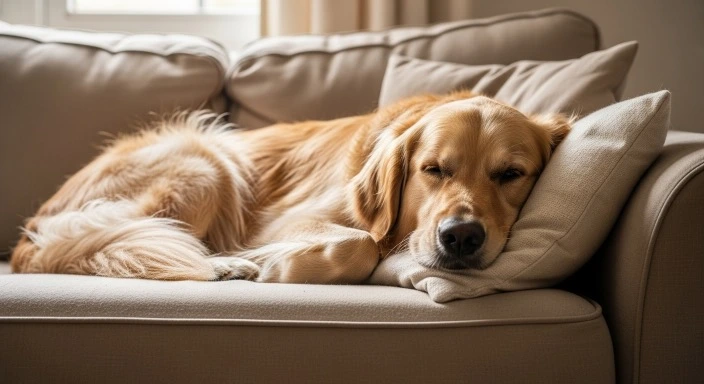
Do dogs sleep with their eyes open?

Do dogs sleep with their eyes open?
It all comes down to anatomy, instincts, and breed.
1. Natural Protection Instinct
In the wild, staying semi-alert during rest helped canines avoid danger. Modern dogs have inherited this behavior, keeping one “eye open” for potential threats.
2. Breed-Related Traits
Dogs with bulging or shallow eye sockets—like Pugs, Boston Terriers, and Shih Tzus—are more likely to sleep with partially open eyes. Their facial anatomy simply doesn’t allow their eyelids to close fully.
3. Light Sleepers
Some dogs are naturally sensitive to sounds or light. Sleeping with eyes slightly open helps them detect movement and stay alert to their surroundings—especially in multi-pet households.
We suggest you read: Dog Gut Health 101 — because physical comfort also affects how deeply dogs sleep.
When It’s Normal (and Adorably Weird)
Open-eye sleeping usually looks harmless—your dog’s eyes may appear rolled back or slightly exposed, with occasional twitches or paw jerks.
These are good signs:
- Slow breathing and relaxed posture
- Occasional dream twitches
- Rolling eyes under the lids
- Ears that still respond to sounds but no sudden movements
If that sounds like your pup, you can relax—your dog is just dreaming about chasing squirrels or stealing treats.
When You Should Be Concerned
While most cases are normal, sometimes a dog sleeping with its eyes open can signal a medical issue.
1. Seizures or Tremors
If your dog’s body goes stiff or jerks rhythmically, and they seem unresponsive, it might be a seizure, not a dream. Always seek veterinary care immediately.
2. Eye Conditions
Dogs that can’t fully close their eyes might suffer from:
- Lagophthalmos: inability to close eyelids properly
- Dry eye syndrome (Keratoconjunctivitis sicca)
- Corneal ulcers caused by dryness or irritation
Untreated dryness can lead to infection or permanent damage.
3. Neurological Issues
Persistent eye twitching, uneven pupils, or head tilts may point to a neurological disorder that affects eyelid control or sleep regulation.
Breeds Most Likely to Sleep With Eyes Open
Some breeds naturally exhibit this trait more than others:
- Pugs
- French Bulldogs
- Boston Terriers
- Boxers
- Shih Tzus
- Cocker Spaniels
These breeds have short muzzles (brachycephalic structure) and larger, more prominent eyes. If you own one, keeping an eye on their ocular health is extra important.
Read our article: Dog Peeing Blood? Don’t Panic — Here’s What You Need to Know)
How to Tell If Your Dog Is Actually Asleep
Dogs are experts at pretend napping. To confirm your pup is truly resting, look for:
- Slow, rhythmic breathing
- Lack of response to light touches
- Twitching paws or tail movements
- Slight eyelid flickers or rolled-back eyes
If your dog wakes up quickly when you move nearby, they were in light sleep. Deep sleep usually makes them groggier upon waking.
How to Help Your Dog Sleep More Comfortably
Do dogs sleep with their eyes open?

Do dogs sleep with their eyes open?
Creating the right environment can help your pup close their eyes fully and rest deeply.
1. Dim the Lights
Dogs sleep better in darker spaces—just like humans. A dimly lit or cozy corner can encourage full eye closure.
2. Maintain Room Temperature
Too hot or too cold can disrupt their sleep. Ideal temperature: 68–75°F (20–24°C).
3. Give Them a Comfortable Bed
Orthopedic beds support joints and reduce restlessness—especially for senior dogs.
4. Stick to a Routine
Predictable meal and play schedules help regulate their internal clock, improving the quality of sleep.
Fun Fact: Dogs Dream Like We Do
During REM sleep, dogs replay daily activities—running, playing, even barking softly in their dreams. So when you see your dog’s eyes darting or paws twitching, it’s likely they’re dreaming about you!
Many animals share human-like dream patterns. Isn’t that sweet?
When to Call the Vet
Contact your vet if:
- Eyes look red, dry, or cloudy
- There’s excessive blinking or rubbing
- Your dog can’t close one or both eyes
- There’s discharge or crust forming overnight
- The “open-eye sleep” happens constantly and looks painful
Early diagnosis helps prevent complications like dry eye, ulcers, or infections.
The Bottom Line
So, do dogs sleep with their eyes open? Yes—sometimes!
It’s often a harmless quirk tied to natural instincts, anatomy, or dream activity.
Still, if your dog shows discomfort, eye irritation, or changes in sleep behavior, it’s best to check with your vet. A few small adjustments—like dim lights, cozy beds, and stable routines—can make a world of difference for your pup’s nightly rest.Remember: A healthy dog is a happy sleeper.
Do dogs sleep with their eyes open?
Celebrate every moment with your furry friend on MyPetMyJoy.com — where pets are family forever.