Why does my dog bring me toys but not let go
You’re sitting on the couch.
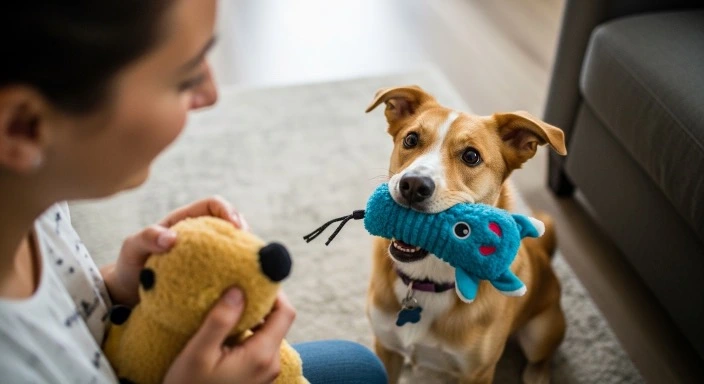
Your dog walks over proudly, toy in mouth.
They place it near you — or almost near you.
You reach for it…
And they refuse to let go.
Maybe they pull back.
Or maybe they freeze.
Maybe they tug playfully.
Maybe they just stare at you like this is a very important negotiation.
If you’ve ever wondered, “Why does my dog bring me toys but not let go?” — you’re not alone. And the answer is often much sweeter than you think.
This behavior isn’t random.
It isn’t stubbornness.
And it usually isn’t defiance.
It’s communication.
Let’s gently unpack what your dog may really be saying.
Why Does My Dog Bring Me Toys but Not Let Go?
If you slow the moment down, this behavior becomes fascinating.
Your dog walks toward you with purpose.
The toy is held proudly.
Their tail may be wagging.
Their eyes are focused on you.
They’re not randomly chewing.
Or they’re not hiding with it.
They’re bringing it directly to you.
That matters.
When asking, “Why does my dog bring me toys but not let go?” the most helpful way to think about it is this:
Your dog is communicating — but in layers.
Let’s gently unpack those layers.
1. It’s an Invitation, Not a Delivery
Many pet parents assume:
“If my dog brings me the toy, they want me to take it.”
But often, the toy isn’t a gift.
It’s an invitation.
Dogs evolved to play cooperatively. Play strengthens social bonds within a pack. When your dog presents the toy but keeps hold of it, they may be saying:
“Grab this.”
“Pull with me.”
“Stay engaged.”
The holding is part of the game.
In dog language, play often includes tension-and-release. Tug, resistance, chasing — these are interactive elements. Letting go immediately would actually end the fun too quickly.
So instead of thinking:
“My dog won’t give it to me.”
You might reframe it as:
“My dog wants a shared game.”
2. Play Builds Relationship
Dogs don’t just play for exercise.
They play for connection.
When your dog brings you a toy but keeps it in their mouth, they are choosing you as their play partner.
That choice is meaningful.
Many dogs could:
- Chew alone
- Play independently
- Drop the toy elsewhere
But instead, they bring it to you.
That’s social bonding.
Shared play stimulates both physical excitement and emotional closeness. Some studies show that mutual play can increase oxytocin levels — the bonding hormone — in both dogs and humans.
So the moment you reach for the toy and they hold tight?
It may be part of that bonding ritual.
3. They’re Testing Engagement
Sometimes, dogs hold onto the toy to see how you respond.
Do you chase?
You laugh?
Do you tug?
Or do you look interested?
Dogs are incredibly observant. They learn quickly what gets interaction.
If, in the past, you reached for the toy and then turned away when they released it, your dog may have learned:
“Hold onto it longer = more attention.”
It’s not manipulation.
It’s pattern learning.
Dogs repeat behaviors that bring engagement.
4. The Toy Becomes “Ours,” Not “Mine”
This is subtle but important.
When your dog approaches you with a toy and keeps hold of it, they may be shifting the object from personal possession to shared activity.
It becomes less:
“This is mine.”
And more:
“This is something we do together.”
The refusal to let go isn’t always possessiveness. It can be shared excitement.
You may notice:
- Soft eyes
- Loose body posture
- Play bow
- Tail wagging at mid-height
These signals suggest cooperative play — not guarding.
5. Mild Uncertainty About Losing the Fun
Some dogs hesitate to release toys because they aren’t fully confident the game will continue.
From their perspective:
If I drop it, will the fun stop?
If I let go, will you walk away?
Especially in younger dogs, this uncertainty can create a “hold tighter” response.
They may need reassurance that:
- Dropping doesn’t mean ending
- Releasing leads to continued play
- Letting go is safe
That confidence grows over time with gentle reinforcement.
6. Personality Matters
Every dog is different.
Some breeds and individuals lean toward:
- Stronger tug drive
- Higher prey drive
- More interactive play styles
Others may bring toys and drop them immediately.
Your dog’s temperament influences how they express play.
A confident, energetic dog may hold on firmly and bounce with excitement.
A softer dog may hold gently but hesitate.
Neither is wrong.
7. It Can Be a Form of Emotional Expression
For some dogs, toys are comfort objects.
If your dog brings the toy and sits near you without releasing it, this may signal:
“I feel safe with you.”
“I want closeness.”
It’s not always about high-energy play. Sometimes it’s quiet attachment.
This is especially common in dogs who:
- Follow you frequently
- Sleep near you
- Lean against you
The toy becomes a bridge to closeness.
8. Distinguishing Play from Guarding
It’s helpful to gently observe body language.
Playful holding often includes:
- Wiggly movements
- Relaxed mouth
- Loose tail wag
- Quick shifts in posture
Guarding behavior may include:
- Stiff body
- Freezing
- Hard eye contact
- Growling
- Lip lifting
The difference is in the overall tone of the body.
Most of the time, when dogs bring toys directly to their person, it’s playful and affiliative.
9. The Hidden Sweet Truth
At the heart of this behavior is something simple:
Your dog wants you involved.
They don’t just want the toy.
They want the shared moment.
And sometimes, holding onto it is part of stretching that moment out.
The Emotional Meaning Behind Bringing You a Toy
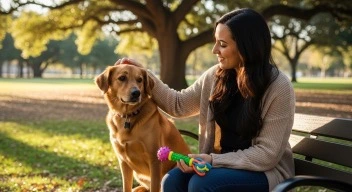
Dogs don’t bring toys to just anyone.
That’s something worth pausing on.
If your dog walks past other people in the room and comes straight to you — toy in mouth, tail moving, eyes bright — that choice is intentional.
When your dog chooses you, it can signal:
- Trust
- Bonding
- Excitement
- Emotional safety
- Desire for interaction
Dogs are selective about who they engage with during play. Play makes them vulnerable. It requires energy, focus, and social connection. When your dog invites you into that space, they are saying something important without using words.
In our deeper guide on communication, Dog Body Language: How to Understand What Your Dog Is Really Saying, we explore how everyday behaviors often carry emotional meaning. Toy presentation is one of those behaviors.
It may look simple.
But emotionally, it’s layered.
Why Bringing a Toy Feels So Personal
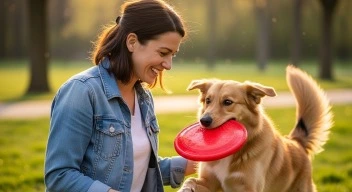
When your dog carries a toy across the room and stops in front of you, they are doing more than offering an object.
They are initiating contact.
Think about it from their perspective.
They could:
- Chew alone in a corner
- Play independently
- Drop the toy anywhere
Instead, they choose proximity.
They choose you.
For many dogs, bringing a toy is the canine version of saying:
“Let’s do something together.”
Not “Take this.”
Not “This is yours.”
But “Be part of this moment with me.”
It’s an Expression of Social Bonding
Dogs are social animals by nature. In canine groups, play is one of the strongest bonding tools. It builds trust, cooperation, and shared understanding.
When your dog brings you a toy, especially repeatedly, it often reflects :
- desire for partnership
- comfort with shared activity
- secure attachment
You may notice their body language in that moment:
- Soft eyes
- Loose posture
- Gentle tail movement
- A slight bounce in their stance
Those signals matter. They show emotional openness.
The toy is simply the invitation.
The Toy as a Bridge Between Worlds
Your dog lives in a world of instincts, smells, and movement. You live in a world of schedules, screens, and responsibilities.
The toy becomes a bridge.
It connects:
Their play world
With your human world
When they place that toy near you — or hold it tightly while standing close — they are asking you to step into their world for a few minutes.
That shared interaction strengthens something deeper than just physical activity.
It strengthens:
- Mutual understanding
- Emotional safety
- Positive association
Over time, these small moments build the foundation of a strong human–dog relationship.
Why It Feels So Sweet (Even If It’s Confusing)
There’s something undeniably touching about a dog carrying a toy toward you.
Even if they refuse to let go.
If they tease you.
And even if they dart away playfully.
Because underneath the behavior is something simple:
They want your attention.
Not in a demanding way.
In a relational way.
You are part of their joy.
And for many dogs, joy feels better when it’s shared.
What This Behavior Says About Your Bond
If your dog consistently brings toys to you, it often suggests that they:
- see you as a trusted figure
- associate you with fun
- feel safe initiating interaction
- are comfortable expressing excitement
Dogs do not initiate play with people they fear or distrust.
Play requires confidence.
So when your dog approaches you with a toy, they are demonstrating that they feel secure enough to invite you into their playful space.
That’s a powerful form of trust.
A Gentle Reminder
Not every dog expresses love in the same way, some
lean quietly against you.
follow you from room to room.
sleep pressed against your feet.
bring toys.
If your dog chooses toy-sharing as their way of connecting, that’s their personality shining through.
It’s not about perfect training.
and, It’s not about obedience.
It’s about relationship.
And sometimes, that relationship looks like a slightly drooled-on toy being proudly presented — and not quite surrendered — because your dog wants the moment to last just a little longer.
6 Common Reasons Your Dog Won’t Let Go
Let’s explore the most common explanations — gently and realistically.
1. Your Dog Wants a Game of Tug
Some dogs don’t want you to take the toy.
They want you to grab it.
Tug-of-war is:
- Social
- Engaging
- Physically stimulating
- Bond-building
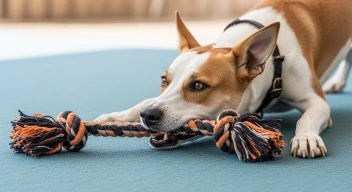
If your dog stiffens slightly and pulls backward when you reach for the toy, they may be initiating tug.
This isn’t dominance.
It’s play style.
Many dogs love interactive resistance because it feels alive and exciting.
2. They’re Initiating Chase
Some dogs enjoy the “almost” game.
They bring the toy close — but not close enough.
When you reach, they dart away.
That little dance can mean:
“Come get me.”
Chase is rooted in instinct. According to the ASPCA, play behaviors often mimic natural hunting and chasing instincts in safe, social ways.
For your dog, it’s thrilling.
For you, it might feel like teasing.
But to them, it’s shared fun.
3. It’s a Gentle Form of Possession (Not Aggression)
Some dogs are simply attached to their toys.
They want you involved — but they’re not quite ready to surrender control.
You may notice:
- A firm but relaxed grip
- No growling
- No tension
- Soft eyes
That’s different from resource guarding.
It’s more like:
“I want you near this… but I still love it.”
4. They Haven’t Learned “Drop It” Yet
This is very common — especially in puppies or young dogs.
If your dog doesn’t fully understand that:
- Letting go leads to more fun
- Releasing the toy doesn’t end the game
They may hold tighter.
This isn’t defiance.
It’s learning.
Many dogs naturally improve this skill with calm, positive reinforcement.
5. It’s About Attention, Not the Toy
Sometimes the toy is just a prop.
Your dog may bring it because:
- They’re bored
- They want eye contact
- They crave engagement
- They’re seeking reassurance
If your dog presses the toy into your leg or climbs into your lap with it, that’s often emotional bonding.
You can see similar attachment patterns discussed in Why Does My Dog Follow Me Everywhere?
The toy becomes a bridge to connection.
6. Mild Resource Guarding Signals (Rare, But Possible)
There is a difference between playful holding and tension.
Signs to gently observe:
- Stiff body posture
- Hard eye contact
- Growling
- Freezing when you reach
If tension appears consistently, it may be helpful to work with a qualified trainer who uses reward-based methods.
But in most loving homes, this situation is playful — not protective.
Is This Behavior a Sign of Love?
Often, yes.
Bringing you a toy means:
- They think of you during play
- Or they associate you with joy
- They want shared activity
Many dogs show attachment through object-sharing.
It’s similar to when dogs sleep near your feet or lean against you — signs of closeness and trust.
If your dog repeatedly chooses you as their “toy partner,” that’s meaningful.
How to Respond When Your Dog Won’t Let Go
There is no single “correct” response.
But here are gentle options:
Option 1: Accept the Tug
If body language is loose and happy, engage briefly.
Option 2: Trade Game
Offer a second toy. Many dogs release when another appears.
Option 3: Teach “Drop It” Positively
Reward release with praise or another game.
Option 4: End Calmly
If play becomes too intense, pause and reset.
Avoid:
- Yelling
- Forcing the toy out
- Punishing growling
Trust builds through calm consistency.
When to Be Concerned
While most toy-holding is playful, watch for:
- Escalating tension
- Snapping
- Consistent guarding of multiple objects
- Anxiety around approach
If those patterns appear frequently, gentle professional guidance may help.
The Humane World of Animals encourages positive reinforcement-based training when addressing guarding concerns.
Remember: most cases are playful.
Concern should be calm, not alarmed.
Why Dogs Love Shared Play So Much
Play isn’t just exercise.
It’s relationship-building.
Through tug and toy-sharing, dogs practice:
- Cooperation
- Communication
- Emotional bonding
- Energy release
It strengthens the human–dog relationship in powerful ways.
In fact, play often increases oxytocin levels in both humans and dogs — the bonding hormone linked to attachment and trust.
So when your dog brings you a toy and holds it, they may be saying:
“Stay in this moment with me.”
What If My Dog Only Does This With Me?
That’s often a sign of attachment.
Some dogs choose one primary play partner.
If your dog only performs this behavior with you, it may mean that they
- see you as their safe person
- prefer your play style
- feel emotionally connected
It’s not exclusion.
It’s closeness.
Short FAQ: Why Does My Dog Bring Me Toys but Not Let Go?
Is my dog being dominant?
In most cases, no. It’s usually play or attachment.
Should I force the toy out?
No. That can increase tension and reduce trust.
Why does my dog bring the toy and then run away?
They may be initiating chase, which is instinctual play.
Is this a bad behavior?
Not usually. It’s often healthy interaction.
How do I teach my dog to drop it?
Use reward-based reinforcement and patience.
The Bottom Line
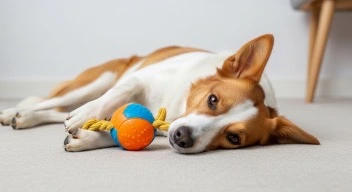
So, why does your dog bring you toys but not let go?
Because they want interaction.
Or because they love shared play.
Maybe because they feel connected.
Or maybe because you matter in their world.
Sometimes it’s tug.
And sometimes it’s chase.
Or sometimes it’s attention.
But most of the time, it’s an invitation.
An invitation into their joy.
And those invitations — even when they’re a little confusing — are part of the beautiful language dogs use to build bonds.
Celebrate every moment with your furry friend on MyPetMyJoy.com — where pets are family forever.
Our Authority Sources
At MyPetMyJoy, we believe understanding your dog’s behavior should feel reassuring — not overwhelming. The insights in this article are supported by trusted animal welfare and veterinary organizations that help guide responsible, compassionate pet care.
- American Veterinary Medical Association (AVMA)
Provides research-based information on canine behavior, communication, and the human–animal bond, helping pet parents better understand everyday behaviors like play and attachment. - ASPCA
Offers practical guidance on dog behavior, play signals, and positive interaction strategies that strengthen trust between dogs and their families. - Humane World for Animals
Shares compassionate education on positive reinforcement, social play, and safe bonding activities that support healthy relationships. - Association of Professional Dog Trainers (APDT)
Promotes reward-based training methods and behavior education that encourage communication without fear or punishment.