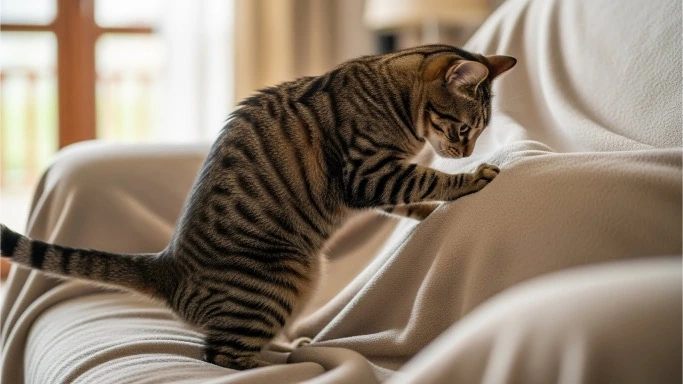
If you live with a cat, you’ve probably experienced it: those rhythmic little paws pressing into a blanket, your lap, or even your stomach. Sometimes it’s adorable. Sometimes it hurts a little. And sometimes it makes you stop and wonder…
Why does my cat knead blankets or me?
The good news? In most cases, this behavior is completely normal — and deeply meaningful. Cat kneading is rooted in instinct, comfort, and emotional bonding. Once you understand the reasons behind it, you may start seeing this quirky habit as one of the sweetest signs of trust your cat can show.
Let’s break it down in a clear, honest, cat-parent-friendly way.
What Is Cat Kneading, Exactly?
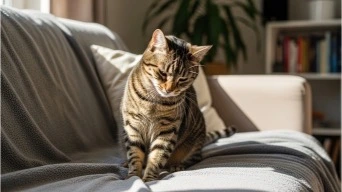
Cat kneading is the motion where a cat alternates pushing their front paws in and out against a soft surface. Many people call it:
- “Making biscuits”
- “Bread-making”
- “Happy paws”
Cats knead blankets, pillows, beds, laps, and sometimes people. The movement is usually slow and repetitive, and it’s often paired with purring, drooling, or half-closed eyes.
This behavior starts early in a cat’s life — and it sticks around for important emotional reasons.
Why Do Cats Knead Blankets or People?
There isn’t just one reason. Cat kneading is a layered behavior with multiple emotional and instinctive meanings.
1. Kneading Comes From Kittenhood
When kittens nurse, they knead their mother’s belly to stimulate milk flow. This creates a powerful association between kneading and comfort.
As adult cats, that same motion becomes a self-soothing behavior. When your cat kneads a blanket or you, they’re tapping into that early feeling of safety and care.
In simple terms:
Kneading means your cat feels relaxed and secure.
2. Your Cat Is Showing Love and Trust
This is the part most people love hearing.
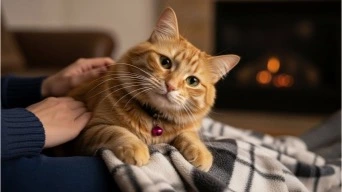
When a cat kneads you, it’s often a sign of affection. Cats don’t knead just anywhere. They knead places — and beings — that feel safe.
If your cat chooses your lap or chest, it means:
- They trust you
- They feel emotionally bonded
- They’re comfortable being vulnerable around you
In the cat world, that’s a big deal.
3. Kneading Helps Cats Mark Territory
Cats have scent glands in their paw pads. When they knead, they release subtle scent markers.
So yes — when your cat kneads you or your blanket, they may be quietly saying:
“This is mine. This is safe. This belongs to me.”
It’s not ownership in a negative way. It’s familiarity and comfort.
4. Kneading Is a Natural Stress-Reliever
Kneading helps cats calm themselves.
You may notice your cat kneads more:
- Before falling asleep
- When they’re tired
- During quiet bonding moments
- After a stressful experience
The repetitive motion releases tension and helps them relax. Think of it as a cat’s version of deep breathing.
5. Instincts From the Wild Still Play a Role
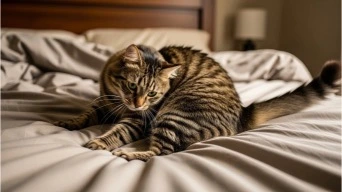
In the wild, cats knead grass or leaves to make a soft sleeping spot. That instinct hasn’t disappeared.
When your cat kneads a blanket or bed, they may be:
- Preparing a comfortable resting area
- Checking softness
- Getting cozy before sleep
This explains why kneading often happens right before a nap.
Why Does My Cat Knead Me and Not Just Blankets?
This question comes up a lot — and the answer is both simple and emotional.
Your cat kneads you because:
- You’re warm
- You smell familiar
- You feel safe
- You’re part of their comfort zone
To your cat, you’re not just furniture. You’re family.
That’s also why kneading sometimes comes with purring, head-butting, or curling up right afterward.
Is It Normal If Kneading Hurts?
Yes — unfortunately, it can.
Sharp claws + soft human skin = discomfort.
If kneading becomes painful:
- Keep your cat’s nails trimmed
- Place a thick blanket between you and your cat
- Gently redirect them without scolding
Never punish kneading. From your cat’s perspective, they’re doing something positive and comforting.
Does Kneading Mean My Cat Is Happy?
In most cases, yes.
Signs kneading is linked to happiness include:
- Purring
- Relaxed body language
- Slow blinking
- Curling up afterward
However, kneading can sometimes happen during anxiety. If kneading is frantic, paired with pacing or vocalizing, it may be a coping response rather than pure contentment.
Context matters.
Why Do Some Cats Drool While Kneading?
This one surprises many people.
Drooling during kneading is usually a sign of deep relaxation. It often traces back to kittenhood and the nursing instinct.
While it looks odd, it’s generally harmless unless paired with other symptoms like bad breath or appetite changes.
Do All Cats Knead?
Not always.
Some cats knead frequently. Others rarely or never knead. Factors include:
- Personality
- Early kitten experiences
- Comfort level
- Breed tendencies
A cat who doesn’t knead can still be loving and bonded. Kneading is a sign of affection — but not the only one.
When Kneading Might Be a Concern
Kneading is usually normal, but there are rare cases where you should pay attention.
Talk to a vet if kneading is:
- Sudden and obsessive
- Paired with weight loss or appetite changes
- Accompanied by aggression or distress
Trusted organizations like American Animal Hospital Association and Cornell University College of Veterinary Medicine note that behavioral changes — not the kneading itself — are the real warning signs.
How Kneading Strengthens the Human–Cat Bond
Kneading is one of those behaviors that quietly builds connection.
It often happens during calm, shared moments:
- On the couch
- In bed
- During quiet evenings
Those moments matter. They form the emotional glue of the relationship.
Should I Encourage or Discourage Kneading?
You don’t need to encourage it — and you shouldn’t discourage it unless it causes harm.
Instead:
- Create cozy, soft areas your cat loves
- Use blankets as buffers
- Trim nails regularly
- Stay calm and gentle
Kneading is part of how cats express comfort. Respecting it builds trust.
Short FAQ: Cat Kneading Explained
Why does my cat knead me and purr?
Because they feel safe, relaxed, and emotionally connected to you.
Is kneading a sign of love?
Often, yes. Kneading commonly appears during moments of comfort and bonding.
Why does my cat knead blankets at night?
Cats knead before sleep to relax and prepare a cozy resting spot.
Should I stop my cat from kneading me?
Only if it causes pain. Use gentle redirection — never punishment.
The Sweet Truth About Cat Kneading
So, why does your cat knead blankets or you?
Because it reminds them of safety.
Because it helps them relax.
Because they trust you enough to be vulnerable.
Kneading isn’t random. It’s emotional memory in motion.
And when your cat chooses you as the place to knead, that’s one of the quietest — and purest — forms of love a cat can give.
Celebrate every moment with your furry friend on MyPetMyJoy.com — where pets are family forever.
Our Authority Sources
- American Animal Hospital Association of Feline Practitioners
Provides evidence-based guidance on normal and abnormal feline behaviors, including comfort-related actions like kneading.
- Cornell University College of Veterinary Medicine
Offers trusted educational resources on cat behavior, development, and emotional well-being.
- ASPCA
Shares practical insights into feline instincts, bonding behaviors, and stress signals.