
Can cats eat cheese
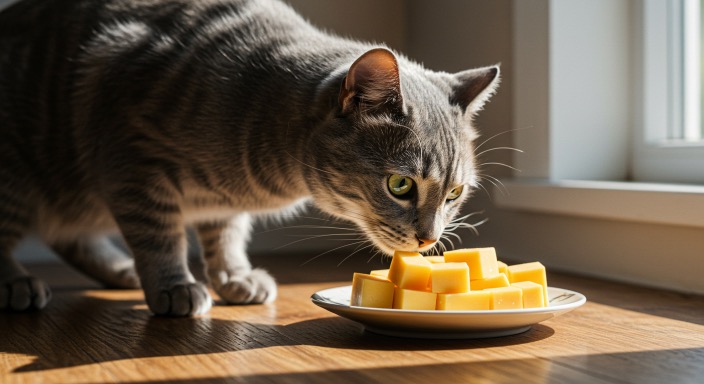
If you’ve ever opened a slice of cheese and noticed your cat rushing over with wide eyes and twitching whiskers, you’re not alone. Cats seem fascinated by cheese. The creamy smell, the texture, the sound of the wrapper—it’s almost irresistible to them.
But the question remains: can cats eat cheese safely, or should this dairy delight stay off the menu?
The answer is more complicated than a simple yes or no. While a small bite won’t usually harm a healthy adult cat, most veterinarians agree that cheese isn’t an ideal snack. It can cause digestive discomfort, lactose intolerance symptoms, and even weight gain.
According to Belton Pet Clinic, the majority of cats are lactose intolerant, which means their bodies can’t process dairy effectively.
Why Cats Love Cheese (Even When They Shouldn’t)
Can cats eat cheese – our Guide
Cats are obligate carnivores, meaning they crave protein and fat. Cheese is full of both, so it naturally appeals to them. The scent of fat and salt triggers their instincts, even though it’s not a biologically appropriate food.
Unlike humans, cats lack sweet receptors, so they’re not drawn to cheese because of its flavor—it’s the smell and texture that capture their attention.
PMC – Feline Health Center explains that cats’ food preferences are driven by texture, aroma, and fat content, not sweetness.
What Vets Say: Can Cats Eat Cheese?
Veterinarians generally say that while small amounts of cheese won’t poison your cat, it’s best avoided as a regular treat. The problem lies in lactose. Most cats stop producing the enzyme lactase after weaning, making dairy hard to digest.
Cheese may cause:
- Gas and bloating
- Diarrhea or constipation
- Nausea or vomiting
Even a few bites can trigger symptoms in sensitive cats.
The American Society for the Prevention of Cruelty to Animals (ASPCA) lists dairy among foods that commonly cause digestive upset in adult cats.
Learn more about feline digestive health in our Pet Health section, including safe snack options for sensitive stomachs.
Lactose Intolerance in Cats: Why Dairy Is a Problem
Lactose intolerance happens when a cat’s intestines no longer produce enough lactase—the enzyme that breaks down lactose (milk sugar). When undigested lactose ferments in the gut, it causes gas, bloating, and discomfort.
That’s why milk, cheese, and ice cream often lead to messy litter box surprises.
Water Down on Vet confirms that most cats lose lactase production after kittenhood, making them unable to handle milk-based products efficiently.
Is Any Cheese Safe for Cats?

Can cats eat cheese – our Guide
Some types of cheese contain less lactose than others. If your cat insists on sharing your snack, these are the least problematic options:
- Hard cheeses (Cheddar, Swiss, Parmesan): lower in lactose, easier to digest in tiny portions.
- Cottage cheese or cream cheese: softer, but often contain added salt or fat—feed sparingly.
- Goat cheese: has less lactose but is still rich in fat and calories.
Keep portions tiny—no more than a small cube or teaspoon once in a while.
Hill’s Pet Nutrition notes that cheese may be acceptable as an occasional treat if your cat tolerates it well.
Can cats eat cheese – our Guide
Can Cheese Ever Be Useful?
Yes—sometimes vets actually use cheese to hide medication for cats who refuse pills. A small dab can make medicine more palatable, though lactose-free options are better.
You can also use a cat-specific cheese-flavored treat instead, designed for easy digestion.
Fix’Em Clinic – Tips For Giving Medication to avoid stomach upset.
Visit our Popular Products page for vet-approved treats and supplements for cats.
Health Risks of Feeding Cheese to Cats
Even if your cat doesn’t show immediate symptoms, cheese can pose long-term risks:
- Weight Gain: Cheese is calorie-dense. Regular feeding can contribute to obesity.
- Sodium Overload: Processed cheeses often contain high salt, harmful to feline kidneys.
- Allergic Reactions: Some cats develop dairy allergies, causing itching and ear infections.
According to Purina’s guide on human foods, high-fat dairy can lead to chronic issues like pancreatitis in overweight cats.
Cheese Alternatives for Cats
If your cat loves the smell and taste of cheese, try these safer options:
- Lactose-free cheese (available in some pet stores)
- Cat cheese treats specifically formulated for feline digestion
- Boiled chicken or salmon flakes – high in protein and gentle on the stomach
Pet nutrition experts suggest using cheese-flavored cat treats that mimic the taste without the dairy content.
Explore our Pet Stories to read how other owners found healthy alternatives for their cats’ snack cravings.
What to Do If Your Cat Eats Too Much Cheese
If your cat sneaks a large piece of cheese, monitor for:
- Vomiting
- Diarrhea
- Excessive drooling
- Lethargy or dehydration
If symptoms persist beyond 12 hours, contact your vet. Offer water and avoid feeding more dairy.
Catster warns that dairy ingestion can worsen dehydration due to digestive fluid loss, especially in older cats.
Kittens and Cheese: A Common Misconception
Kittens can digest lactose better than adults, but that doesn’t mean cheese is healthy. Their developing digestive systems are still delicate. It’s better to stick to kitten-specific food and formula.
International Cat Care emphasizes that kittens need nutrient-balanced diets to grow properly.
Myth vs Fact: Cats and Cheese
| Myth | Fact |
| Cats love cheese, so it must be good for them. | Cats enjoy the fat content but can’t digest lactose well. |
| Cheese is a good protein source. | While high in protein, cheese also contains unhealthy fat and salt for cats. |
| A little cheese daily won’t hurt. | Frequent feeding can lead to weight gain and digestive issues. |
Final Thought: What Vets Want You to Remember
So, can cats eat cheese? Technically yes, but it’s rarely worth the risk. A small nibble won’t harm most cats, but frequent feeding can cause digestive trouble, allergies, and weight gain.
Vets agree: cheese is a “sometimes” food—use only for disguising medication or as an occasional indulgence. Always monitor your cat afterward and stick to feline-formulated snacks when in doubt.
For more nutritional advice and safe treat alternatives, explore our Pet Health and Popular Products categories.
And for vet-backed insights, visit PetMD’s full article on cats and cheese.