Common garden plants toxic to pets
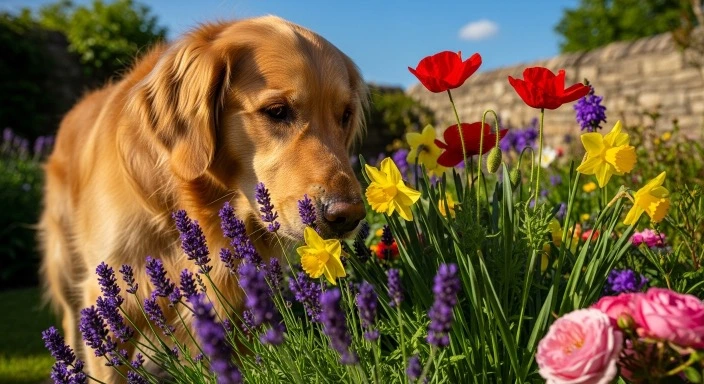
If you have a garden and a pet, you already know that magic combination — muddy paws, curious noses, and that joy of watching your dog zoom through the yard or your cat sunbathe between the flower beds. Gardens are meant to be enjoyed, and your pets absolutely agree.
But here’s something that catches many loving pet parents off guard: some of the most common, beautiful garden plants can actually be harmful to our four-legged family members. Not because they’re rare or exotic — but precisely because they’re so familiar and so widely planted. The hydrangeas your grandmother grew, the tulip bulbs you plant every autumn, the sago palm in the corner — many of these are quietly toxic to pets who nibble or sniff at the wrong thing.
This guide is here to help you garden with confidence. It’s not meant to scare you away from your flower beds — it’s meant to give you the knowledge you need so you can keep both a beautiful garden and a safe, happy pet. Think of this as your friendly, no-panic reference to the 30 common garden plants that are toxic to pets, what makes them potentially harmful, and what to look out for.
Before we dive in, it’s always a good idea to have your vet’s number handy, and the ASPCA Animal Poison Control Center (888-426-4435) is a wonderful resource if you ever have a concern.
Why Garden Plants Can Be Harmful to Pets
Most pets — especially dogs — are naturally curious creatures. They sniff, chew, dig, and taste their way through the world. Cats may be more selective, but they too can nibble on leaves or brush against plants and then groom the residue off their fur. This means that a plant doesn’t even always have to be eaten in large amounts to cause a problem — some plants are potent enough that even small exposures can cause discomfort.
Different plants affect pets in different ways. Some contain compounds that irritate the stomach. Others affect the heart, the nervous system, or the kidneys. The severity often depends on the size of the animal, how much they ingested, and which part of the plant they came into contact with — roots and bulbs are often the most concentrated source of toxins.
The good news? Awareness is your best tool. Knowing which plants to be mindful of means you can make thoughtful choices about what you plant — or at least know to keep a closer eye on your pets in certain areas of the garden.
The 30 Common Garden Plants That Are Toxic to Pets
Here’s a comprehensive look at the plants most commonly found in home gardens that may pose a risk to dogs and cats. We’ve grouped them to make this easier to navigate.
Flowering Plants and Bulbs
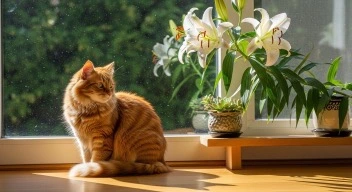
1. Lilies (Lilium species) Lilies may be one of the most important plants on this list — especially for cat owners. Many true lilies, including Easter lilies, tiger lilies, and Asiatic lilies, are considered highly toxic to cats and may cause serious kidney concerns. Even small amounts, including pollen or water from a vase, can be a problem. Dogs may experience mild stomach upset but are generally considered less sensitive than cats.
2. Tulips Tulip bulbs are where the highest concentration of toxins lives. Dogs who dig and chew on tulip bulbs may experience drooling, stomach upset, or lethargy. The flowers and leaves contain lower levels but are still worth being mindful of. Cats can also be affected.
3. Daffodils (Narcissus) Beautiful in spring, but daffodil bulbs, leaves, and flowers contain alkaloids that can cause vomiting, diarrhea, and other symptoms in both dogs and cats. Again, the bulb is the most concentrated part.
4. Hyacinths The bulbs of hyacinths contain concentrated compounds that may cause digestive upset, and in larger amounts, more serious symptoms. Their intense fragrance can also be irritating to some pets even without direct contact.
5. Hydrangeas These cottage garden favorites contain compounds that the body can convert into a form of cyanide. Fortunately, the concentrations are relatively low in most ornamental varieties, and significant ingestion would typically be needed to cause more than mild stomach upset — but they’re still worth noting.
6. Foxglove (Digitalis) Foxglove is a stunning tall flower often found in cottage gardens, but it contains compounds that can affect the heart. This one is considered quite toxic, and all parts of the plant — leaves, seeds, and flowers — may pose a risk to both dogs and cats.
7. Bleeding Heart (Lamprocapnos spectabilis) This delicate, dangling flower is a garden classic, but it contains alkaloids that may cause digestive issues and, in larger amounts, more concerning symptoms. Cats can be particularly sensitive.
8. Wisteria The seeds and pods of wisteria are the most toxic parts. Pets who chew on wisteria pods may experience vomiting, diarrhea, or weakness. This stunning climbing plant is common in many UK and US gardens.
9. Azaleas and Rhododendrons These popular shrubs contain grayanotoxins, which can affect the nervous system and cardiovascular system in pets. Even a few leaves can cause significant symptoms in dogs or cats, including drooling, weakness, and vomiting.
10. Oleander Oleander is a common garden and landscaping shrub in warmer climates, and all parts of the plant are considered quite toxic. It can affect the heart and digestive system in both dogs and cats.
Shrubs, Trees, and Climbers
11. Sago Palm (Cycas revoluta) Often used as an ornamental plant in warm climates and indoors, the sago palm is considered highly toxic — particularly the seeds. It can cause serious liver concerns in dogs and cats. This one truly warrants extra caution.
12. Yew (Taxus) Yew is a common hedging plant with beautiful red berries, and it’s one of the more dangerous plants on this list. All parts except the flesh of the berry are considered toxic, and it can affect the heart quickly. This is one to be especially mindful of if you have a yew hedge.
13. Privet (Ligustrum) Privet is another widely used hedging plant. Its berries are toxic to both dogs and cats, and the leaves may also cause digestive issues. Dogs who spend time around privet hedges should be supervised.
14. Holly (Ilex) A classic festive plant, but holly berries and leaves can cause vomiting, diarrhea, and lethargy in dogs and cats. The spiny leaves are also an obvious physical hazard for curious noses.
15. Lantana Lantana is a colorful, butterfly-attracting shrub common in warm-weather gardens. Its berries are toxic to pets, and the plant can cause liver-related issues in dogs. The unripe berries are particularly potent.
16. Boxwood (Buxus) A staple of formal hedging and topiary, all parts of boxwood are toxic to pets. Symptoms of ingestion may include digestive upset and, in larger amounts, more serious nervous system effects.
17. Black Walnut Black walnut trees can be found in many gardens and parks. The nuts, shells, and even the wood shavings can be toxic to dogs. They may cause digestive issues, and moldy black walnut hulls may cause tremors.

Vegetables, Herbs, and Edible Garden Plants
18. Tomato Plants (Solanaceae) The ripe tomato fruit itself is generally fine for dogs in small amounts, but the leaves, stems, and unripe green tomatoes contain solanine, which can cause digestive and nervous system upset in pets. Cats are generally more sensitive.
19. Rhubarb The stalks of rhubarb are what we eat, but the leaves are a different story. Rhubarb leaves contain oxalic acid and may cause kidney-related issues in pets. Keep pets away from the leafy tops when you’re tending your rhubarb patch.
20. Onions, Garlic, Leeks, and Chives (Allium family) All members of the allium family — including onion, garlic, leeks, and chives — can damage red blood cells in dogs and cats, potentially leading to anemia over time. This applies to plants growing in the garden as well as in the kitchen.
21. Potato Plants Like tomatoes, potato plants belong to the nightshade family. The green parts — including the leaves, stems, and green-tinged or sprouted potatoes — contain solanine and may cause digestive upset in pets.
22. Wild Mushrooms While not a cultivated garden plant, wild mushrooms can appear in any garden or lawn, especially after rain. Some wild mushrooms are extremely toxic to pets. If you spot mushrooms in your yard, it’s safest to remove them, as it can be difficult even for experts to identify toxic varieties at a glance.
Ground Covers and Common Perennials
23. Lily of the Valley (Convallaria majalis) This sweetly scented ground cover is a favourite in shady gardens, but it contains cardiac glycosides that can affect the heart. All parts — including the berries — are considered toxic to both dogs and cats.
24. Autumn Crocus (Colchicum autumnale) The autumn crocus is considered one of the more severely toxic plants for pets. It contains colchicine, which can affect multiple organ systems. It’s sometimes confused with the spring crocus, which is less toxic but still worth monitoring.
25. Monkshood (Aconitum) Also called wolfsbane, monkshood is a tall, dramatic perennial found in cottage gardens. All parts of the plant are toxic, and it can affect the heart and nervous system. This is one of the more potent plants on our list.
26. Delphinium / Larkspur Popular in summer borders, delphiniums contain alkaloids that may cause digestive upset and, in larger amounts, muscle weakness or heart effects. Young plants and seeds are the most concentrated.
27. Chrysanthemums A garden and cut flower staple, chrysanthemums contain pyrethrins, which can cause skin irritation, drooling, digestive upset, and in some cases, incoordination in dogs and cats. The whole plant is considered potentially irritating.
28. Ivy (Hedera helix) English ivy is a common ground cover and climbing plant, but it contains compounds that can cause skin irritation, drooling, and digestive upset in pets. The berries are more toxic than the leaves.
29. Periwinkle (Vinca) Periwinkle is a cheerful, low-growing ground cover often found trailing along garden edges. It can cause digestive upset, low blood pressure, and other symptoms in dogs and cats if ingested.
30. Euphorbia (Spurge) Many Euphorbia plants — including poinsettias and various garden spurges — produce a milky white sap that can irritate the skin, eyes, and digestive tract of pets. While rarely severely toxic, the sap can cause real discomfort.
What to Keep in Mind: Gentle Reminders for Pet Parents
Reading a list like this can feel a little daunting, and that’s completely understandable. But here’s something important to hold onto: most pets who encounter these plants don’t end up seriously ill. A curious sniff or a single bite rarely leads to a major problem. The risk tends to increase with the amount ingested, the size of your pet, and the specific plant involved.
A few things to keep in mind:
- Every pet is different. What causes a strong reaction in one animal may barely affect another. Age, size, and individual sensitivity all play a role.
- Nibbling versus eating. A quick chew or taste is very different from eating a full plant or multiple leaves. Context matters.
- Some plants are more concerning than others. Sago palm, yew, lilies (for cats), autumn crocus, and foxglove are generally considered higher-risk than something like a chrysanthemum.
- Bulbs are often the most potent. If your dog is a digger, that’s worth knowing — bulbs often contain the highest concentrations.
- Your garden doesn’t need to be perfect. You don’t have to rip out everything on this list. Many pet owners simply supervise their pets around certain plants, grow them in fenced-off areas, or swap out a few key plants for safer alternatives.
When to Be Concerned
Most of the time, a quick lick or a nibble on a garden leaf results in nothing more than a mildly unhappy tummy. But some situations are worth taking more seriously. If you notice any of the following after your pet has been near or may have eaten a plant, it’s a good idea to contact your vet or the ASPCA Animal Poison Control Center:
- Sudden or excessive drooling
- Vomiting or diarrhea that doesn’t settle
- Lethargy or unusual weakness
- Tremors, shaking, or loss of coordination
- Difficulty breathing
- Swollen or irritated mouth or face
- Pale gums
If you can, note which plant your pet may have eaten and bring a sample or photo to your vet. This can make a real difference in how quickly and accurately they can help.
The ASPCA Animal Poison Control Center (888-426-4435) and the Humane Society both maintain helpful resources on pet poisoning, including what signs to watch for and when to seek help.
Creating a Pet-Friendly Garden Without Giving Up Beauty
The wonderful news is that you don’t have to choose between a gorgeous garden and a safe one. There are dozens of beautiful, pet-safe plants — from sunflowers and snapdragons to African violets and marigolds — that can fill your beds with colour and fragrance without risk.
A few simple strategies can also make a big difference:
- Create pet-free zones for your most cherished (or more toxic) plants, using low fencing or raised beds.
- Train recall. A dog that responds reliably to “come” or “leave it” gives you a huge safety net in the garden.
- Know your pet’s habits. Is your dog a compulsive digger? A nibbler? Knowing their tendencies helps you manage the space better.
- Do a seasonal audit. Spring bulb planting season and autumn clean-ups are good times to review what’s in your garden.
If you’re exploring which dog breeds might suit a more outdoor lifestyle with you, our guide on excellent family dogs and the best breeds is a lovely starting point for families thinking about life with a garden-loving dog.
And if you’re wondering about everyday safety for your dog beyond the garden — things like what foods are safe to share — our article on whether dogs can eat bread and whether dogs can have ginger might answer a few questions you didn’t know you had.
For a broader safe gardening resource, the AVMA’s pet owner resources offer trusted, vet-approved guidance for keeping your animals safe at home.
Frequently Asked Questions
Which garden plants are most toxic to dogs? Some of the more seriously toxic plants for dogs include sago palm, yew, autumn crocus, foxglove, and azaleas/rhododendrons. That said, individual reactions can vary, and it’s always best to consult a vet if you’re concerned your dog has eaten something from the garden.
Are lilies dangerous for cats in the garden? Yes — true lilies (including Easter lilies, tiger lilies, and Asiatic lilies) are considered highly toxic to cats. Even small amounts, including pollen, can be a concern. If you have cats that spend time outdoors, lilies in the garden are worth reconsidering.
My dog ate a leaf from a plant on this list. Should I panic? Not necessarily. A single small nibble is very different from eating large amounts of a plant. If your dog seems fine — happy, eating normally, no vomiting — they’re likely okay. That said, monitor them closely for a few hours, and if you notice any unusual symptoms, it’s always better to call your vet than to wait and wonder.
Can I still have a beautiful garden if I have pets? Absolutely. Many stunning plants — sunflowers, roses (with care around thorns), snapdragons, zinnias, marigolds, and more — are considered pet-friendly. With a little planning, you can have a garden that delights both you and your animals.
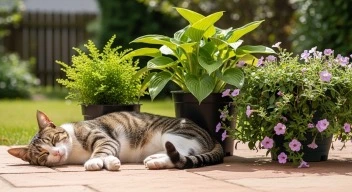
Is it safe for cats to walk through garden beds? In many cases, yes — especially if you’ve planted pet-safer varieties. The main concerns are plants that cats might nibble on, or that might leave pollen or sap on their fur that they then groom off. Keeping a watchful eye and knowing your plants goes a long way.
A Garden Full of Love — For Every Member of Your Family
Your garden is an extension of your home — a place where you slow down, breathe fresh air, and share peaceful moments with the animals who mean so much to you. Knowing which plants to be mindful of isn’t about fear. It’s about loving your pets so much that you want every corner of their world to be as safe as it is joyful.
You don’t have to be a botanist or a vet to keep your garden safe. You just have to be the kind of pet parent you already are — curious, caring, and always looking out for the ones who can’t look out for themselves.
So take this list, bookmark it for your next trip to the garden centre, and enjoy every muddy paw print, every sunny afternoon nap in the flower bed, and every moment your pet reminds you why gardens are even better with animals in them.
Celebrate every moment with your furry friend on MyPetMyJoy.com — where pets are family forever.
Our Authority Sources
This article was written to help pet parents make informed, confident choices about their garden. To ensure the information we share is accurate and trustworthy, we referenced the following respected animal welfare and veterinary organisations:
ASPCA Animal Poison Control Center One of the most trusted resources for pet toxicology in the United States. Their comprehensive plant toxicity database is the go-to reference for pet owners and veterinary professionals alike.
American Veterinary Medical Association (AVMA) The leading national organisation representing the veterinary profession, offering science-based pet health and safety guidance for pet owners.
The Humane Society of the United States A trusted animal welfare authority providing accessible, practical guidance on keeping pets safe at home — including information on household and garden hazards.
At MyPetMyJoy.com, we are pet lovers first. We always recommend consulting your vet or a qualified animal professional if you have specific concerns about your pet’s health or safety.